
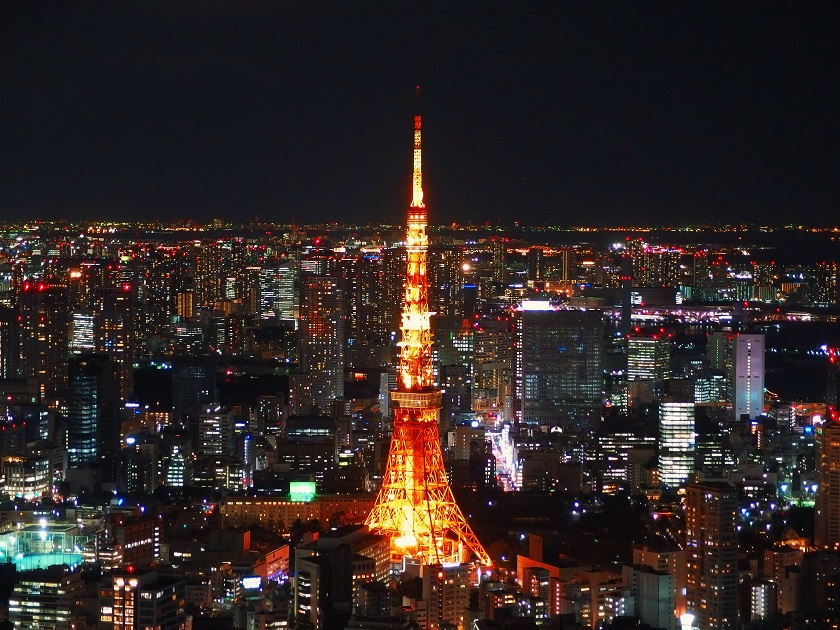
When should you visit Tokyo? Discover the best seasons, weather patterns, and festivals to plan your perfect Tokyo adventure throughout the year.
# Best Time to Visit Tokyo: Complete Seasonal Guide
Tokyo, Japan's vibrant capital, offers unique experiences year-round. From cherry blossoms in spring to autumn foliage, winter illuminations to summer festivals, each season brings distinct weather, events, and atmosphere. Understanding Tokyo's seasonal characteristics helps you plan the perfect visit matching your preferences and interests. Here's your comprehensive guide to Tokyo's seasons.
## Spring (March to May): Cherry Blossom Magic
### Weather and Climate
Spring in Tokyo brings mild temperatures and increasing sunshine. March starts cool with averages around 10°C (50°F), warming to pleasant 15-20°C (59-68°F) by May. Expect occasional rain showers, particularly in March and early April. Layered clothing works best as temperatures vary throughout the day.
Mornings and evenings remain cool, especially in March, so pack a light jacket or sweater. By late April and May, daytime temperatures allow comfortable exploration in light clothing, though evenings may still require a light layer.
### Cherry Blossom Season (Sakura)
Spring's main attraction is undoubtedly cherry blossom season (hanami). Tokyo's cherry trees typically bloom from late March to early April, though exact timing varies yearly based on winter temperatures and spring weather. The bloom period lasts only 7-10 days before petals fall, creating the season's ephemeral beauty.
Top spots for hanami include:
- **Ueno Park:** Tokyo's most famous hanami spot, featuring over 1,000 cherry trees and lively atmosphere with food stalls and crowds
- **Chidorigafuchi:** Romantic moat-side location offering boat rentals beneath cherry canopies
- **Shinjuku Gyoen:** Spacious garden with diverse cherry varieties extending the season and alcohol-free environment for peaceful viewing
- **Meguro River:** Four-kilometer cherry-lined canal transformed into pink tunnel, stunning day or illuminated evening
- **Sumida Park:** Less crowded alternative offering Tokyo Skytree views framed by cherry blossoms
Be prepared for crowds during peak bloom. Hotel prices surge, and popular spots fill early. Many locals claim spots in the morning for evening hanami parties. Despite crowds, witnessing cherry blossoms in Tokyo remains a magical, once-in-a-lifetime experience worth the hassle.
### Spring Festivals and Events
**Kanda Matsuri (odd-numbered years, mid-May):** One of Tokyo's three great festivals featuring elaborate processions of portable shrines, traditional costumes, and performances through central Tokyo.
**Golden Week (late April to early May):** String of national holidays when many Japanese travel domestically, creating crowded attractions and transportation but vibrant atmosphere. Book accommodations well in advance if visiting during Golden Week.
### Spring Advantages
- Comfortable temperatures for walking and exploration
- Cherry blossoms create stunning backdrops for photos
- Parks and gardens at their most beautiful
- Generally lower humidity than summer
- Many outdoor events and festivals
### Spring Disadvantages
- Most expensive and crowded season, especially during cherry blossom peak
- Popular spots extremely busy during bloom period
- Accommodations book months in advance
- Unpredictable bloom timing makes planning challenging
- Higher prices for flights and hotels
## Summer (June to August): Festivals and Energy
### Weather and Climate
Summer in Tokyo means heat and humidity. June begins the rainy season (tsuyu), lasting into early July with frequent rainfall and overcast days. Once the rainy season ends, intense heat and humidity dominate July and August, with temperatures often exceeding 30°C (86°F) and humidity making it feel even hotter.
Prepare for serious heat if visiting in summer. Stay hydrated, wear light breathable clothing, use umbrellas for sun protection, and take frequent breaks in air-conditioned spaces. Many residents avoid outdoor activities during the hottest afternoon hours.
### Summer Festivals (Matsuri)
Despite challenging weather, summer explodes with festivals showcasing Japanese culture:
**Sumida River Fireworks Festival (last Saturday of July):** Tokyo's largest fireworks display attracting nearly a million spectators along the Sumida River. Spectacular but incredibly crowded.
**Obon (mid-August):** Buddhist festival honoring ancestors with traditional bon-odori dances in neighborhoods throughout Tokyo. Many locals return to hometowns, making Tokyo less crowded than usual.
**Asakusa Samba Carnival (late August):** Unexpected but spectacular Brazilian-style samba parade through historic Asakusa, blending cultures in uniquely Tokyo fashion.
Traditional summer festivals feature yukata (casual summer kimono), street food stalls (yakisoba, takoyaki, kakigori shaved ice), and carnival games creating nostalgic Japanese summer atmosphere.
### Summer Advantages
- Numerous festivals and events
- Extended daylight hours for sightseeing
- Vibrant summer energy throughout the city
- Many locals vacation outside Tokyo, reducing some crowds
- Good time to visit Tokyo's beaches and islands
### Summer Disadvantages
- Oppressive heat and humidity
- Rainy season in June and early July
- Higher risk of typhoons, especially in August and September
- Expensive peak travel season
- Outdoor exploration can be exhausting
## Autumn (September to November): Golden Season
### Weather and Climate
Autumn rivals spring as Tokyo's best season. September remains warm and humid, gradually cooling through October to comfortable November temperatures (10-18°C / 50-64°F). Clear skies and mild weather make autumn ideal for sightseeing, with comfortable temperatures for long walks and outdoor activities.
Early autumn (September) may still experience typhoons and occasional rain, but by October, Tokyo enjoys consistently beautiful weather. Pack layers as mornings and evenings cool significantly, especially in November.
### Autumn Foliage (Koyo)
As cherry blossoms define spring, autumn foliage transforms Tokyo into a canvas of red, orange, and yellow. The koyo season typically runs from mid-November through early December, peaking in late November. Unlike cherry blossoms' brief spectacle, fall colors last several weeks.
Top autumn foliage spots:
- **Rikugien Garden:** Stunning traditional Japanese garden with maple trees reflected in ponds, featuring special evening illuminations
- **Mount Takao:** Easy day trip from Tokyo offering hiking trails through colorful forests and panoramic views
- **Meiji Jingu Gaien:** Famous ginkgo tree-lined avenue creating golden tunnel, one of Tokyo's most photographed autumn scenes
- **Koishikawa Korakuen:** Historic garden combining Japanese and Chinese landscaping with diverse tree species
- **Todoroki Valley:** Tokyo's only natural ravine providing surprising nature escape with walking path through colorful forest
### Autumn Events
**Tokyo International Film Festival (late October):** Major film festival attracting international cinema stars and showcasing films from around the world.
**Tokyo Grand Tea Ceremony (autumn):** Traditional tea ceremony demonstrations in several locations, offering cultural immersion opportunities.
**Various autumn food festivals:** Celebrating seasonal ingredients like sweet potatoes, chestnuts, and mushrooms.
### Autumn Advantages
- Comfortable temperatures and low humidity
- Beautiful autumn colors throughout the city
- Clear skies perfect for photography
- Numerous cultural events and festivals
- Lower humidity than spring and summer
- Generally fewer tourists than spring
### Autumn Disadvantages
- Popular season means higher prices and crowds, especially during koyo peak
- Early autumn (September) can still be hot and humid
- Typhoon risk in early autumn
- Some attractions get crowded during foliage season
## Winter (December to February): Illuminations and Tranquility
### Weather and Climate
Tokyo winters are cold but manageable, with temperatures typically ranging 3-10°C (37-50°F). While cold, Tokyo rarely sees snow, and when it does snow, accumulation is usually minimal. Dry, sunny days are common, with crisp, clear air providing excellent visibility – perfect for viewing Mount Fuji on the horizon.
Winter mornings and evenings are genuinely cold, requiring warm coats, scarves, and gloves. However, daytime temperatures often feel comfortable in the sun. Most indoor spaces are well-heated, though traditional buildings may be chilly.
### Winter Illuminations
Winter illuminations (イルミネーション) transform Tokyo into a sparkling wonderland. From November through February, major shopping districts, gardens, and parks feature elaborate light displays:
**Midtown Illumination (Roppongi):** Sophisticated light display in upscale Roppongi development.
**Omotesando Illumination:** Upscale shopping street lined with twinkling trees creating romantic atmosphere.
**Tokyo Dome City Winter Illumination:** Family-friendly display with millions of lights.
**Yebisu Garden Place:** Beautiful illumination with Baccarat crystal chandelier as centerpiece.
These free displays attract locals and tourists alike, creating festive atmosphere throughout the city.
### New Year Celebrations
New Year (Shogatsu) is Japan's most important holiday, bringing unique experiences:
**Hatsumode:** First shrine visit of the year, with popular shrines like Meiji Jingu and Sensoji attracting millions during the first three days of January. Expect massive crowds but fascinating cultural experience.
**New Year Sales:** Department stores and shops offer fukubukuro (lucky bags) – mystery bags with items worth more than the purchase price, creating shopping frenzy.
Note: Many businesses, restaurants, and attractions close December 29-January 3 for New Year holidays. Plan accordingly, though major tourist attractions typically remain open.
### Winter Advantages
- Lowest prices and smallest crowds (except New Year)
- Beautiful illuminations throughout the city
- Clear skies and excellent visibility
- Authentic Japanese New Year experience
- Comfortable indoor attractions like museums and shopping
- Hot springs (onsen) more enjoyable in cold weather
### Winter Disadvantages
- Cold temperatures require warm clothing
- Some attractions have limited hours
- Many businesses close for New Year holidays
- Shorter daylight hours
- Less comfortable for extensive outdoor exploration
## Practical Considerations by Season
### Accommodation Prices
**Most Expensive:** Cherry blossom season (late March-early April), Golden Week (late April-early May), autumn foliage season (late November)
**Moderate:** Summer months, regular spring and autumn periods
**Least Expensive:** Winter (except New Year period), rainy season (June-early July)
### Crowd Levels
**Most Crowded:** Cherry blossom season, Golden Week, autumn foliage season, New Year period
**Moderately Crowded:** Summer, regular spring and autumn
**Least Crowded:** Winter (except New Year), rainy season
### Special Considerations
**Typhoon Season:** Late summer and early autumn (August-September) bring typhoon risk. While Tokyo has excellent infrastructure to handle storms, flights may be delayed and outdoor plans disrupted.
**Rainy Season:** June and early July experience frequent rain. Bring umbrella and waterproof shoes. Consider indoor activities like museums, shopping, and themed cafes.
**Golden Week and Obon:** Major domestic travel periods when locals vacation, creating crowded trains and attractions but festive atmosphere. Book well in advance.
## Best Time for Different Travelers
### First-Time Visitors
**Spring (late March-early April) or Autumn (late November):** Experience Japan's iconic natural beauty with comfortable weather despite crowds and higher prices.
### Budget Travelers
**Winter (December-February, except New Year) or Rainy Season (June-early July):** Lower accommodation prices and fewer crowds, though weather may be less ideal.
### Photographers
**Spring (cherry blossoms) or Autumn (foliage):** Most photogenic seasons with clear skies and beautiful colors. Winter illuminations also offer excellent photo opportunities.
### Festival Enthusiasts
**Summer (July-August):** Experience traditional matsuri festivals, fireworks, and summer atmosphere despite challenging weather.
### Crowd-Averse Travelers
**Winter (except New Year):** Enjoy Tokyo's attractions with minimal crowds and shorter lines at popular spots.
## Final Thoughts: Choosing Your Perfect Time
There's no universally "best" time to visit Tokyo – it depends on your priorities, tolerance for crowds and weather extremes, and budget. Spring and autumn offer the most comfortable weather and stunning natural beauty, but come with crowds and high prices. Summer brings festivals and energy alongside heat and humidity. Winter offers tranquility, illuminations, and budget-friendly travel despite cold temperatures.
Consider your priorities:
- Natural beauty: Spring or autumn
- Cultural festivals: Summer
- Budget: Winter or rainy season
- Comfortable weather: Spring or autumn
- Fewer crowds: Winter
Whichever season you choose, Tokyo delivers unforgettable experiences. This resilient, innovative city constantly evolves while honoring its traditions, creating a destination worth visiting repeatedly in different seasons to experience its many faces.
*When did you visit Tokyo, and what was your experience? Share your seasonal recommendations in the comments!*