
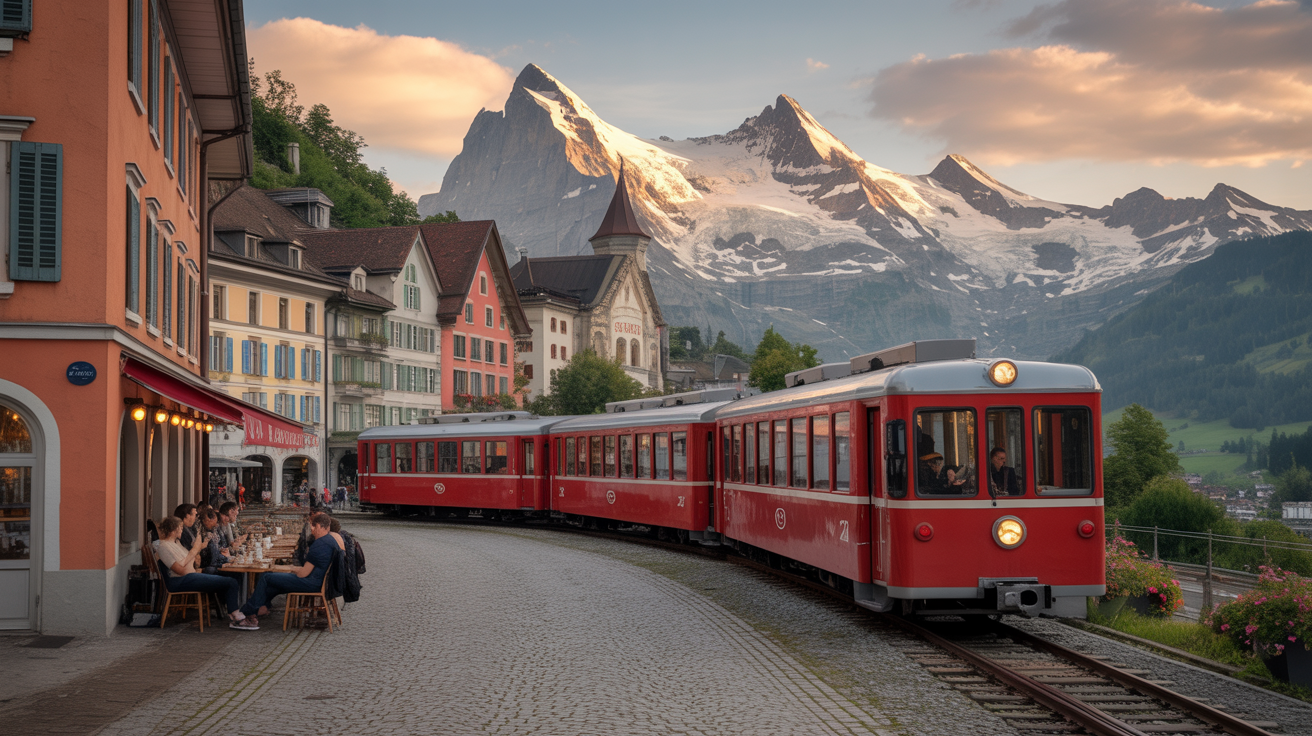
Think Europe is too expensive? Think again. Our comprehensive guide shows you how to experience the continent's best destinations on just €50 per day without sacrificing comfort or experiences.
Europe doesn't have to drain your savings. Despite its reputation for high prices, smart travelers consistently explore the continent on tight budgets, experiencing world-class culture, stunning landscapes, and unforgettable adventures without financial stress. This comprehensive guide reveals how to make €50 per day work across Europe in 2026.
## The Budget Travel Mindset
Successful budget travel isn't about deprivation—it's about prioritizing experiences over comfort and discovery over convenience. The hostel common room where you meet lifelong friends, the local market lunch that introduces you to regional specialties, the overnight train that saves accommodation costs while covering distance—these budget choices often become trip highlights rather than sacrifices.
## Choosing Budget-Friendly Destinations
### Eastern Europe: Your Budget's Best Friend
**Poland** offers incredible value with beautiful cities like Kraków and Gdańsk where €30-40 daily covers comfortable hostels, hearty meals, and museum entries. The country's well-preserved medieval centers, communist-era history, and stunning countryside provide experiences rivaling Western European destinations at a fraction of the cost.
**Hungary** centers on Budapest, one of Europe's most beautiful capitals, where thermal baths cost less than a cocktail in Paris and ruin bars serve drinks for a few euros. Beyond the capital, the wine country around Eger and the Great Plain's cowboy culture offer authentic Hungarian experiences without tourist markups.
**Romania** remains Europe's most underrated destination, combining Transylvanian castles, painted monasteries, and the Danube Delta's wildlife at prices that seem impossibly low. Bucharest's vibrant nightlife, Sibiu's Germanic old town, and Brașov's mountain setting showcase the country's diversity.
**The Balkans** encompass Albania, North Macedonia, Kosovo, and Bosnia-Herzegovina—destinations where €40 daily provides comfortable travel with money to spare. Ancient ruins, Ottoman heritage, dramatic mountain scenery, and Adriatic beaches await without the crowds of better-known neighbors.
### Western Europe on a Budget
Even expensive countries become accessible with proper planning. **Portugal** offers Western European charm at Eastern European prices, especially outside Lisbon. **Spain** outside major cities provides excellent value, with smaller cities like Salamanca and Granada combining culture with affordability.
The **off-season** transforms pricing everywhere. November through March (excluding holidays) often halves accommodation costs while providing museums without queues and locals without tourist fatigue.
## Accommodation Strategies
### Hostels: Beyond the Dorm
Modern hostels bear little resemblance to their grungy predecessors. Many offer private rooms at hotel-beating prices, along with social atmospheres, free activities, and local knowledge. Book directly for best rates and use aggregators like Hostelworld for reviews and availability.
**Budget:** €15-25 for dorms, €35-50 for private rooms
### Alternative Options
**Couchsurfing** remains the ultimate budget option, offering free accommodation plus local insight. Success requires a complete profile, personalized requests, and genuine interest in cultural exchange rather than simply free lodging.
**House-sitting** through platforms like TrustedHousesitters provides free accommodation in exchange for pet or property care—ideal for slow travelers who can commit to specific locations and dates.
**Camping** throughout Europe offers budget accommodation in stunning settings. Many countries allow wild camping, while organized campgrounds typically charge €10-20 and often rent equipment.
**Work exchange** programs like Workaway connect travelers with hosts needing help—a few hours daily earns free accommodation and meals while providing authentic local experiences.
## Transportation Savings
### Rail Passes vs. Point-to-Point
The Interrail Pass (for Europeans) or Eurail Pass (for others) provides unlimited train travel but only saves money on specific itineraries. Calculate point-to-point costs before purchasing—budget airlines and buses often beat train prices on popular routes.
### Budget Airlines
**Ryanair, Wizz Air, and EasyJet** connect European cities for sometimes absurdly low fares. Strict baggage limits require discipline—pack light and avoid fees that can exceed base fares. Book directly with airlines and remain flexible with dates for best prices.
### Bus Networks
**FlixBus** operates throughout Europe with fares often under €20 for substantial distances. Overnight routes save accommodation costs while covering ground. **BlaBlaCar** ridesharing offers even lower prices with the bonus of local interaction.
### Slow Travel Benefits
Rushing between destinations increases both costs and stress while decreasing enjoyment. Spending more time in fewer places reduces transportation expenses, allows for weekly accommodation discounts, and enables deeper exploration beyond tourist highlights.
## Food and Drink Economy
### Market Strategy
European markets overflow with affordable local produce, artisan breads, and regional specialties. Assemble picnic lunches for a fraction of restaurant costs while enjoying meals in parks and plazas. Markets also provide cultural immersion and photography opportunities.
### Supermarket Dining
Every European supermarket offers ready-made meals, fresh salads, and deli items that constitute cheap, decent meals. Many provide microwaves and seating areas. Lidl, Aldi, and local chains beat convenience stores on both price and quality.
### Restaurant Tips
**Lunch deals** provide restaurant experiences at reduced prices—many establishments offer set menus (menu del día in Spain, formule in France) significantly cheaper than evening service.
**Ethnic restaurants** often undercut local prices while providing authentic cuisines. Döner kebabs across Europe, Asian restaurants in major cities, and immigrant neighborhood eateries offer filling meals for €5-8.
**University areas** naturally cultivate affordable dining options. Student-focused restaurants serve large portions at modest prices without requiring enrollment.
### Drinking Smart
Pre-game at supermarkets before bars. Many European cities have cultures of outdoor drinking—purchase wine or beer and join locals in parks and plazas. Happy hours, where they exist, offer significant savings.
## Free and Low-Cost Experiences
### Walking Tours
Free walking tours operate in every major European city, providing historical context and local recommendations. Tips are expected but discretionary—budget €5-10 for quality tours that would cost €30+ as guided options.
### Museums
Many museums offer free entry on specific days or evenings—research timing before arrival. Students and under-26 travelers often receive significant discounts. European Heritage Days in September open normally closed sites for free.
### Natural Attractions
Europe's landscapes cost nothing to enjoy. Hiking trails, beaches, urban parks, and scenic viewpoints provide free entertainment while promoting physical health and well-being.
### Religious Sites
Cathedrals, mosques, synagogues, and other religious buildings typically welcome visitors freely (though some charge for specific areas or towers). These architectural masterpieces represent centuries of artistic achievement accessible to any budget.
## Sample €50/Day Budget
**Accommodation:** €18 (hostel dorm average)
**Transportation:** €8 (amortized daily cost of pass/tickets)
**Food:** €15 (market breakfast €3, picnic lunch €5, restaurant dinner €7)
**Activities:** €7 (one paid attraction or experience)
**Buffer:** €2 (miscellaneous expenses)
This budget assumes occasional splurges balanced by under-budget days. Flexibility allows for treating yourself to a special meal or experience without long-term financial impact.
## Money Management
### Cards vs. Cash
**Wise (formerly TransferWise)** and similar multi-currency cards provide excellent exchange rates without foreign transaction fees. Set up accounts before departure and maintain backup cards from different networks.
**Cash** remains necessary in smaller establishments and Eastern European markets. ATMs with bank affiliations offer better rates than currency exchange offices.
### Budget Tracking
Daily expense recording identifies problem areas and prevents surprises. Simple spreadsheets or apps like Trail Wallet keep spending visible and manageable.
## Seasonal Considerations for 2026
**Spring (April-May):** Pleasant weather, moderate crowds, reasonable prices. Ideal for Southern Europe before summer heat.
**Summer (June-August):** Peak season with highest prices but longest days and liveliest atmosphere. Budget travelers should book early and consider Northern destinations.
**Autumn (September-October):** Shoulder season brings falling prices, harvest festivals, and comfortable temperatures. Wine regions particularly appealing.
**Winter (November-March):** Lowest prices except holidays. Christmas markets, skiing, and cultural attractions compensate for shorter days.
## Final Thoughts
Budget travel through Europe in 2026 remains absolutely achievable for those willing to prioritize experience over comfort, plan thoughtfully, and maintain flexibility. The constraints of budget travel often lead to richer experiences—the local restaurant discovered while avoiding tourist prices, the conversation with hostel roommates from different continents, the unexpected detour when the expensive option proves unavailable.
Start planning now, save consistently, and remember that the best travel memories rarely come with high price tags. Europe awaits, accessible to any dreamer willing to make it happen.