Tucked away in central Japan, the Hida Mountains—often called the 'Japanese Alps'—offer a breathtaking escape into pristine nature and timeless villages. From Kamikochi's alpine splendor to the quiet charm of hidden hamlets like Shirakawa-go, this guide unpacks everything you need to rediscover Japan's untouched beauty.
Tucked away in the heart of Honshu, Japan’s main island, the Hida Mountains offer a peaceful escape for those craving untouched nature and a slower pace. Often overlooked in favor of buzzing cities like Tokyo and Kyoto or iconic spots like Mount Fuji, these “Japanese Alps” are a true hidden treasure. If you’re ready to swap bright city lights for winding mountain trails and charming, historic villages, Kamikochi and the surrounding Hida region are waiting for you.
WHY YOU’LL LOVE JAPAN’S FORGOTTEN ALPS
There’s something special about places that seem to exist outside of time. The Hida Mountains aren’t just breathtaking—they’re steeped in culture, too. Imagine jagged peaks dusted with snow, vibrant forests alive with wildlife, and villages that look like they’ve been lifted straight out of a postcard.
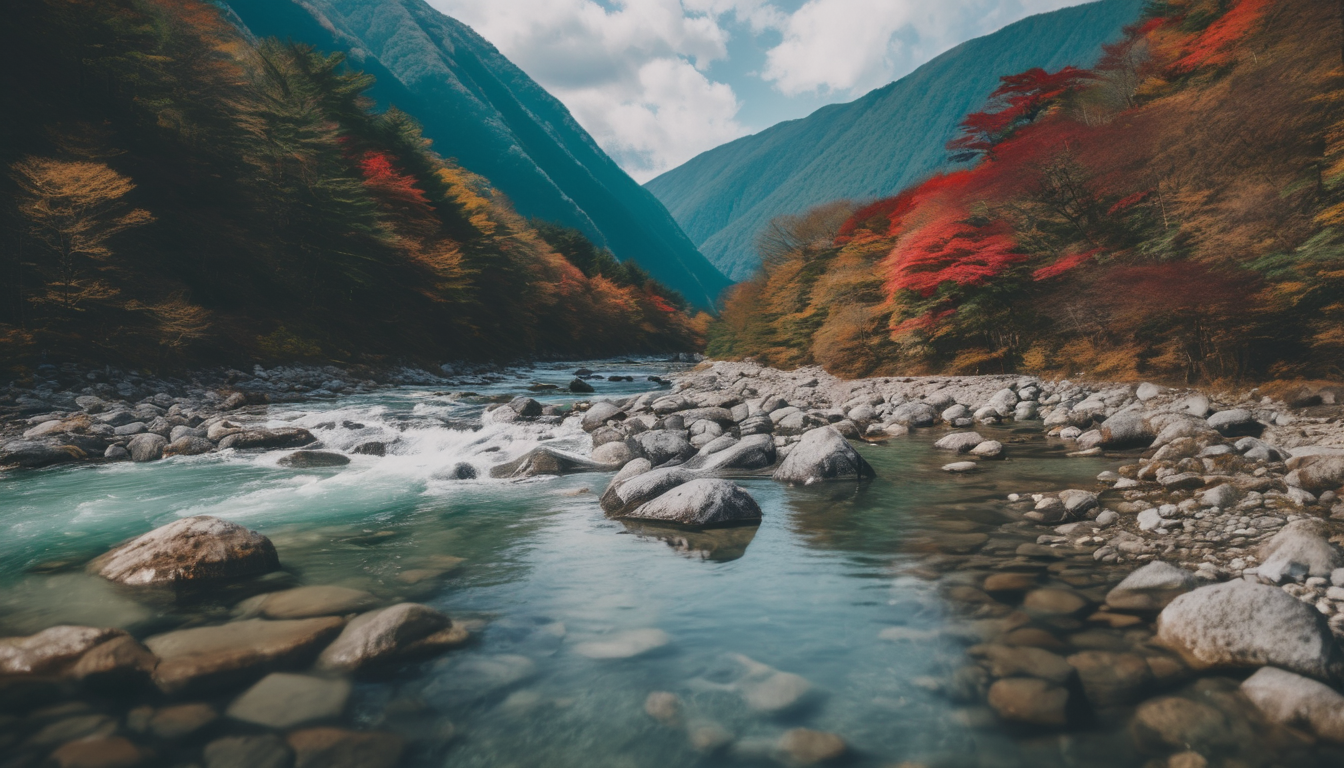
• Kamikochi, often called the “crown jewel” of the Japanese Alps, boasts crystal-clear rivers and sweeping views of towering mountains.
• The Hida region is dotted with quaint villages like Shirakawa-go and Gokayama, famous for their traditional thatched-roof farmhouses and recognized as UNESCO World Heritage sites.
• Here, you’ll find the perfect mix of stunning natural scenery and rich cultural experiences—from scenic hikes to authentic local dishes.
Whether you’re an outdoor enthusiast, a history lover, or just in need of a break from city life, this area offers a fresh, unique side of Japan that’s hard to find elsewhere.
HOW TO GET THERE
Reaching Kamikochi and the Hida region is easier than you might expect—just a bit of planning helps.
• From Tokyo: Take the JR Hokuriku Shinkansen to Nagano, then switch to a limited express train to Matsumoto. From Matsumoto, a direct bus will take you to Kamikochi.
• From Osaka or Kyoto: Ride the JR Tokaido Shinkansen to Nagoya, then hop on the Wide View Hida Limited Express to Takayama. From Takayama, buses connect you to Kamikochi.
• Keep in mind, Kamikochi is car-free. You’ll need to rely on public transport or park outside and take a shuttle bus in.
The journey itself is a treat, winding through mountain passes and offering glimpses of Japan’s beautiful countryside.
EXPLORING KAMIKOCHI
Kamikochi is the perfect gateway to the Hida Mountains. Set within Chubu Sangaku National Park, this alpine valley is a dream come true for hikers. The Azusa River cuts through the landscape, framed by dramatic peaks like Mount Hotaka and Mount Yake.
WHAT TO DO IN KAMIKOCHI
• STROLL THE NATURE TRAILS: The easy, well-kept paths make Kamikochi accessible for all levels. Don’t miss a walk to Kappa Bridge—the area’s iconic spot—with stunning mountain views all around.
• CHALLENGE YOURSELF: Experienced hikers can tackle tougher routes to peaks like Mount Hotaka for truly breathtaking vistas.
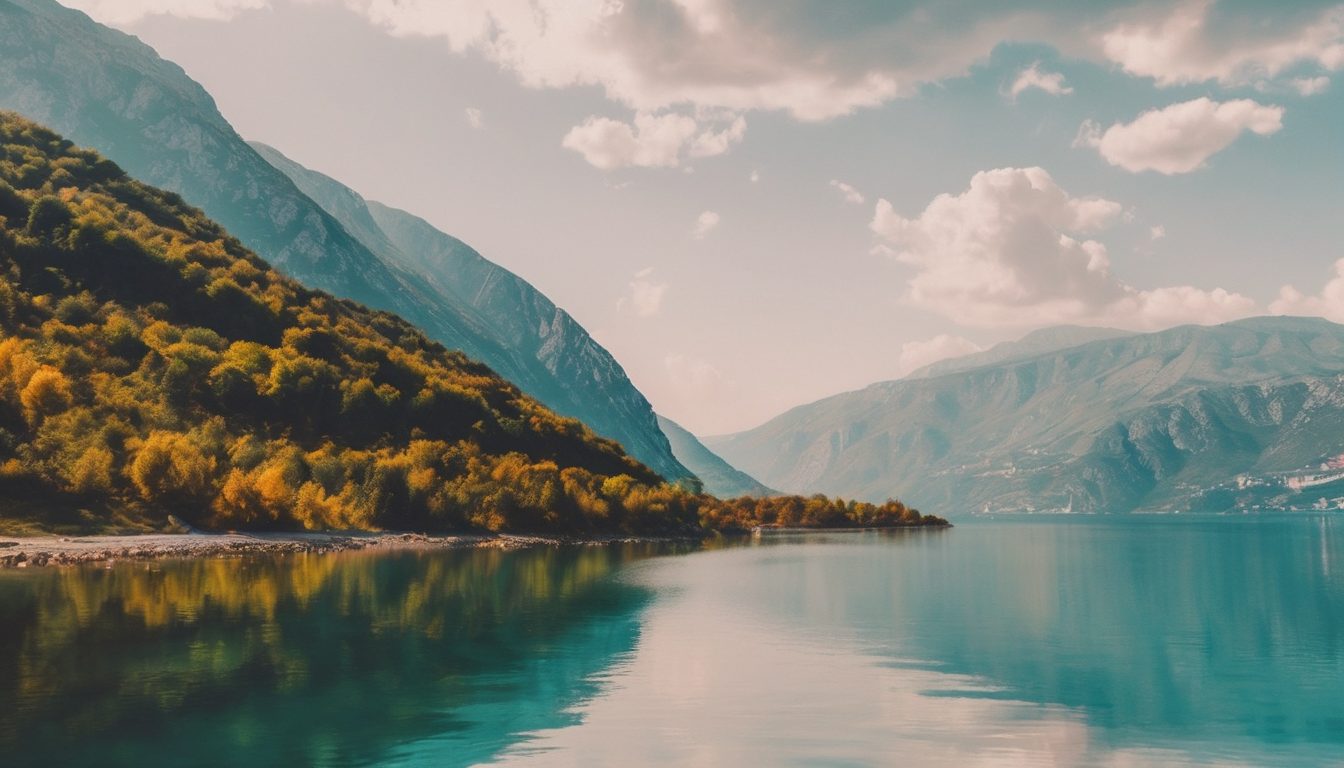
• VISIT TAISHO POND: Formed after a volcanic eruption in the early 1900s, this peaceful pond mirrors the surrounding mountains beautifully.
• SPOT WILDLIFE: Keep an eye out for Japanese macaques, serows, and a rich variety of birds living in the area.
Pro tip: Kamikochi is open from mid-April to mid-November, with summer and autumn being the most popular times. Fall is especially stunning, thanks to the vibrant red and gold leaves.
DISCOVERING THE HIDA REGION’S HIDDEN VILLAGES
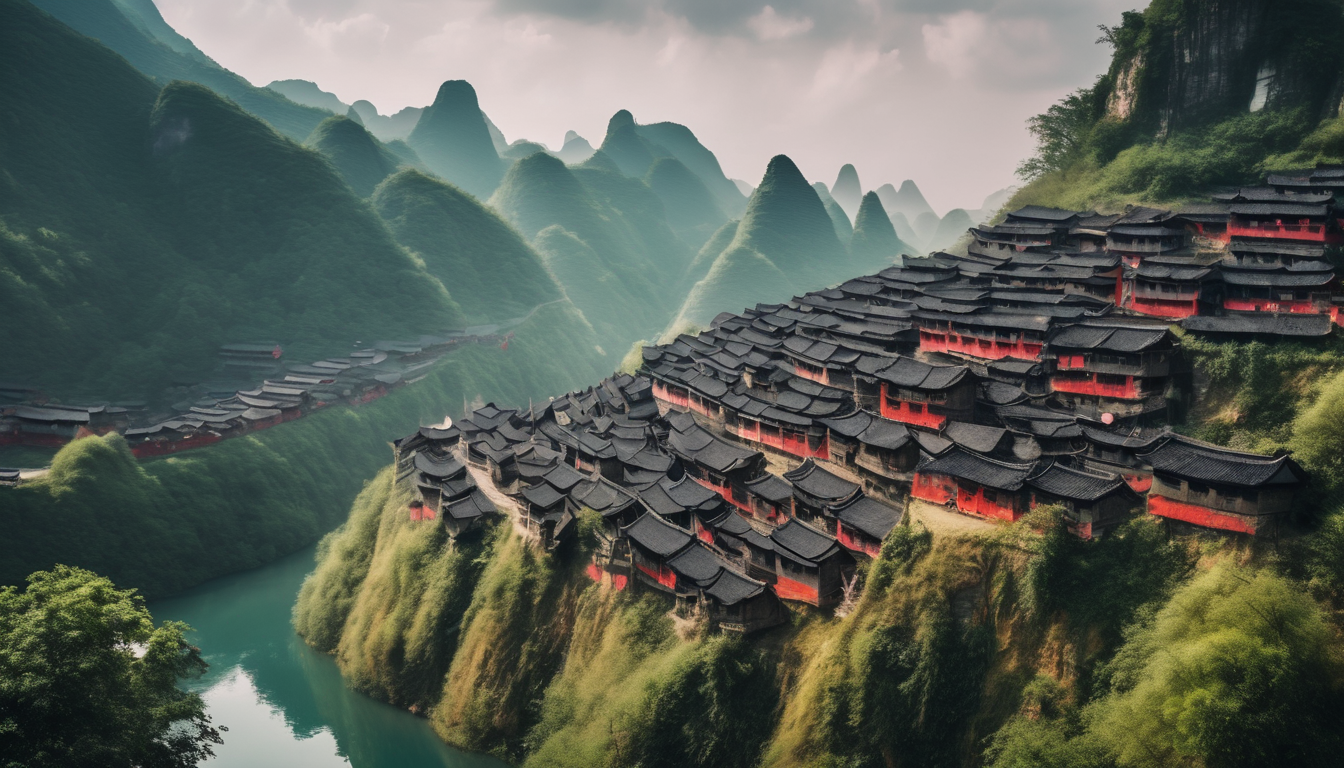
After soaking in Kamikochi’s beauty, venture further into the Hida region to explore its enchanting villages. These rural spots offer a rare glimpse into traditional Japanese life, largely unchanged over centuries.
HIGHLIGHTS OF THE HIDA VILLAGES
• SHIRAKAWA-GO: Famous for its gassho-zukuri farmhouses with steep thatched roofs built to handle heavy snow, this UNESCO World Heritage Site is a must-see. Spending a night in one of these houses offers a truly unforgettable experience.
• GOKAYAMA: Quieter and less crowded than Shirakawa-go, Gokayama feels more intimate. Try your hand at making soba noodles or join locals playing traditional folk instruments.
• TAKAYAMA: Often called 'Little Kyoto,' Takayama charms with its well-preserved Edo-era streets, lively morning markets, and some of the best wagyu beef you’ll ever taste.
In winter, these villages transform into a snowy wonderland, straight out of a fairytale.
WHAT TO EAT
You can’t visit the Hida region without sampling its delicious local fare:
• HIDA BEEF: This premium wagyu is tender and flavorful, perfect grilled or in a hot pot.
• GOHEI MOCHI: Skewered rice cakes glazed with a sweet-savory miso sauce, a popular treat at local markets.
• HOBAMISO: A regional specialty where miso paste is grilled on magnolia leaves, usually served with veggies and rice.
• LOCAL SAKE: Thanks to the region’s clear mountain water, the sake here is some of the finest in Japan—be sure to taste a few varieties.
TIPS FOR MAKING THE MOST OF YOUR TRIP
• Plan ahead: Public transport is reliable but can be limited, especially in winter.
• Dress in layers: Mountain weather changes quickly, so be prepared.
• Stay overnight: While day trips are possible, spending a night or two lets you truly soak in the atmosphere.
• Be respectful: These are close-knit communities—keep noise low and follow local guidelines.
FINAL THOUGHTS
The Hida Mountains and their hidden villages offer a side of Japan few visitors get to experience. Whether you’re admiring Kamikochi’s snow-capped peaks, wandering Shirakawa-go’s storybook streets, or savoring melt-in-your-mouth Hida beef, this region leaves a lasting impression. So pack your hiking boots, bring your curiosity, and get ready to explore Japan’s best-kept secret—the forgotten Alps.