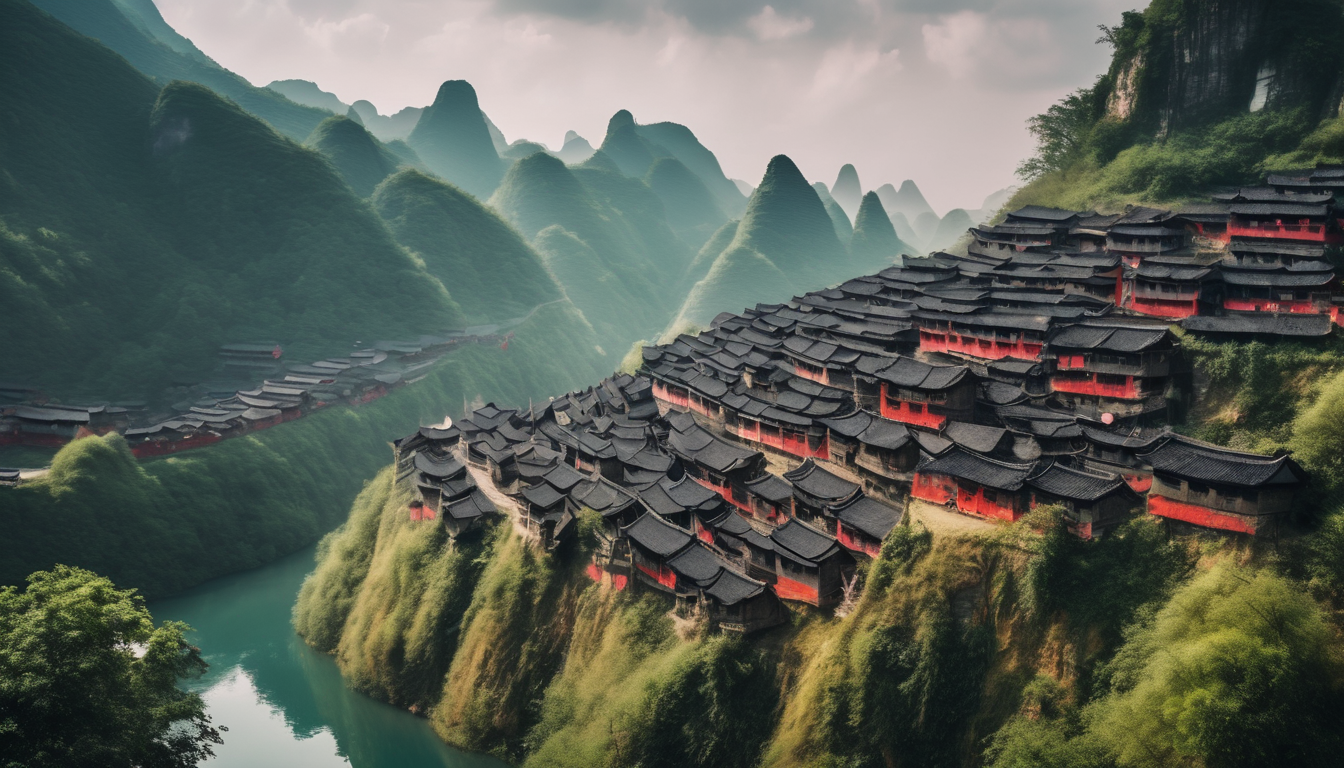
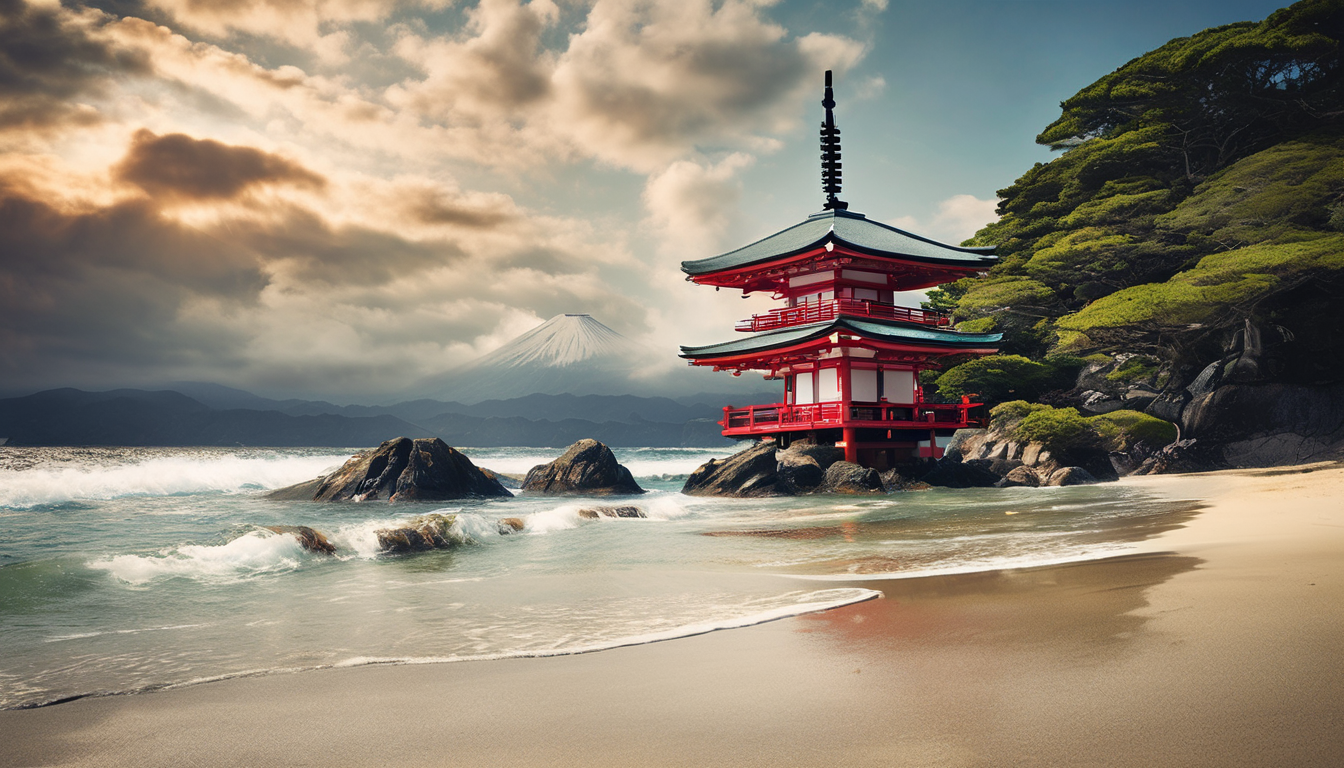
Escape the crowds of Tokyo and Kyoto and uncover Japan’s lesser-known islands. Shikoku’s serene temples and Okinawa’s untouched beaches offer tranquility, culture, and natural beauty for travelers seeking something off the beaten path.
Japan never fails to charm travelers. From Tokyo’s dazzling neon-lit streets to Kyoto’s serene ancient temples, it’s a dream destination for millions every year. But in 2026, why not skip the usual hotspots and discover some of Japan’s quieter, lesser-known corners? Two hidden gems worth exploring are the islands of Shikoku and Okinawa. Here, you’ll find secluded temples, untouched beaches, and a slower pace of life that encourages you to breathe deeply and savor each moment. Let’s dive into what makes these places so special and how to plan your trip.
**Why Shikoku and Okinawa Should Be on Your Radar**
There’s something truly magical about stumbling upon places that feel untouched by crowds. That’s exactly what Shikoku and Okinawa offer. Shikoku, the smallest of Japan’s four main islands, is steeped in spirituality and famous for its 88-temple pilgrimage route. Meanwhile, Okinawa, a tropical paradise made up of over 150 islands, is home to some of Japan’s most beautiful and peaceful beaches, far away from busy resorts.
Getting to these islands in 2026 is easier than ever, thanks to improved transport and a growing focus on sustainable tourism in less-visited areas. Whether you’re into history, nature, or simply unwinding, these destinations offer experiences that are as unique as they are unforgettable.
**Exploring Shikoku: Japan’s Spiritual Heart**
Shikoku isn’t just a place—it’s a journey. The island is best known for the Shikoku Henro, an 88-temple pilgrimage that stretches about 1,200 kilometers. While completing the entire route can take weeks, you can easily visit a few key temples to soak in the spiritual vibe and take in stunning scenery.
*Top Temples to Visit:*
- **Ryozenji Temple:** This peaceful temple in Naruto marks the start of the pilgrimage and offers a quiet spot to reflect and prepare for your journey.
- **Zentsuji Temple:** As the birthplace of Kobo Daishi, one of Japan’s most revered monks, this temple carries deep cultural and historical importance.
- **Iwayaji Temple:** Tucked away in the mountains, this temple is a favorite for hikers, surrounded by dramatic rock formations and lush greenery.
*More Than Just Temples*
Shikoku also boasts breathtaking natural beauty—from the rugged coastline along the Seto Inland Sea to the vine-covered valleys of Iya. Don’t miss the Naruto Whirlpools, where swirling tidal currents create mesmerizing patterns in the water.
Foodies will love Shikoku, too. Be sure to try Sanuki udon, a thick and chewy noodle dish that’s a local specialty. Pair it with fresh seafood caught right from the Seto Inland Sea for a meal you won’t forget.
**Unwinding in Okinawa: Japan’s Tropical Paradise**
If Shikoku is about spiritual discovery, Okinawa is all about relaxing and embracing island life. This southern group of islands is famous for its turquoise waters, vibrant coral reefs, and laid-back atmosphere—a perfect escape from Japan’s bustling cities.
*Quiet Beaches to Explore:*
- **Ishigaki Island:** Known for crystal-clear waters and white sandy beaches, Ishigaki is ideal for snorkeling and diving.
- **Kume Island:** Much quieter than Okinawa’s main island, Kume offers secluded spots like Hate-no-hama, a pristine sandbar that feels like your own private slice of paradise.
- **Tokashiki Island:** Just a short ferry ride from Naha, this island is home to Akabaka Beach, perfect for relaxing under palm trees or swimming in calm, inviting waters.
*Immersive Experiences*
Okinawa’s rich cultural heritage sets it apart from the rest of Japan. Don’t miss Shuri Castle, a UNESCO World Heritage Site that tells the story of the Ryukyu Kingdom that once ruled these islands. And be sure to try Okinawan dishes like goya champuru (stir-fried bitter melon) and umibudo (sea grapes), a unique seaweed with a fun popping texture.
For adventure lovers, Okinawa is a playground for water sports—think paddleboarding, diving, and more. The Kerama Islands, especially, are famous for their vibrant coral reefs and friendly sea turtles.
**Planning Your Trip**
Getting to Shikoku and Okinawa is simpler than you might expect. To reach Shikoku, you can hop on a direct train from Osaka or Kobe to Takamatsu, the island’s main city. Flights are also available from major cities like Tokyo and Fukuoka. Once there, renting a car is the best way to explore all the hidden gems.
Okinawa is well connected by air, with Naha Airport serving as the main gateway. From Naha, you can catch ferries to smaller islands or take flights to remote spots like Ishigaki and Miyako. The best times to visit are spring and autumn, when the weather is pleasant and crowds are lighter.
**Tips for Your Journey**
- Pack light but bring comfy shoes for walking the temple trails in Shikoku.
- Renting a car gives you the freedom to explore at your own pace.
- Learn a few basic Japanese phrases—locals really appreciate the effort.
- Be respectful of local customs, especially at temples and sacred sites.
- Take your time; these islands are made for slow, meaningful travel.
**Final Thoughts**
In a world that’s moving faster than ever, Shikoku and Okinawa offer a chance to reconnect—with nature, history, and yourself. Whether you’re meditating at a mountaintop temple or watching the sun set over a quiet beach, these islands remind us why travel is such a powerful, transformative experience. So why not make 2026 the year you discover Japan’s hidden treasures? You’ll come away with memories that stay with you forever.