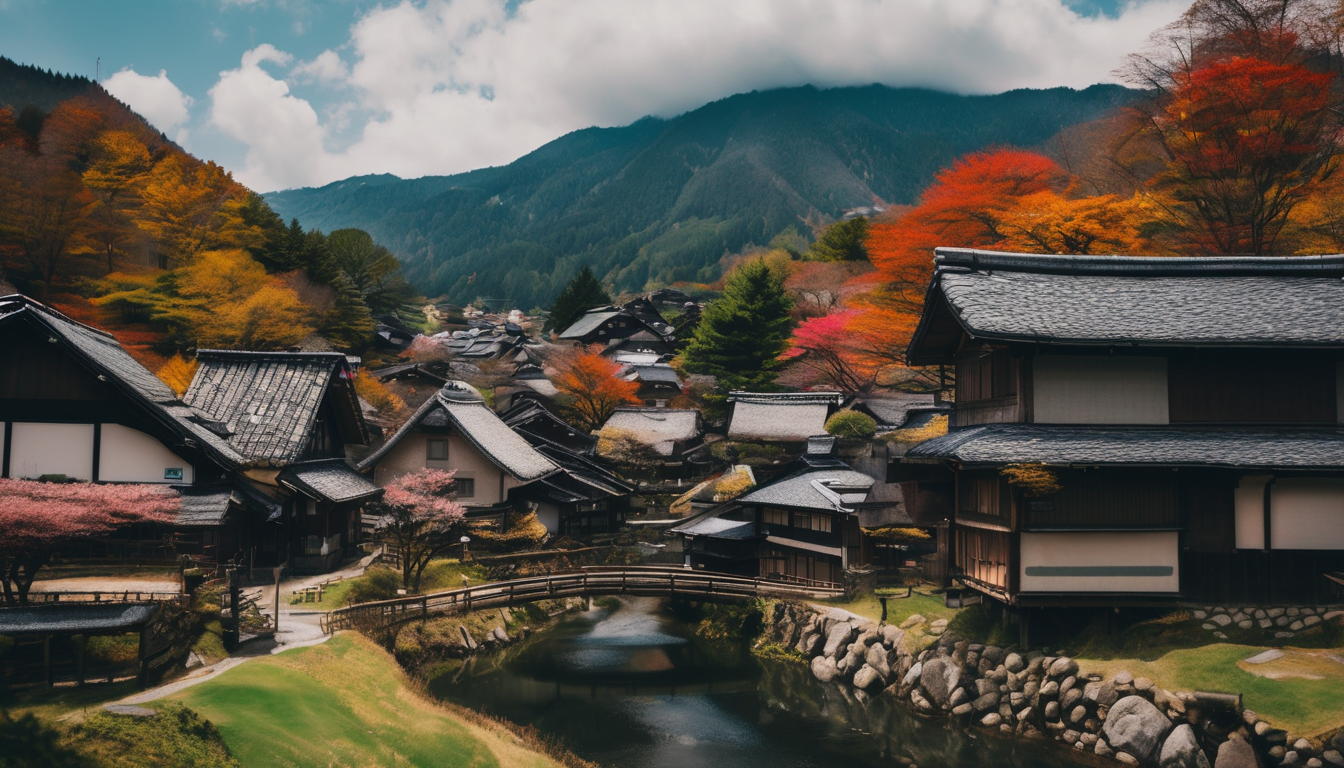
Tucked away in the mountains of central Japan, Shirakawa-go and Gokayama offer a stunning escape into a world of thatched-roof houses, rich traditions, and sustainable tourism. Discover why these UNESCO World Heritage Sites are must-visits for eco-conscious travelers in 2026.
Japan has a unique way of weaving ancient traditions into the fabric of modern life, and nowhere is this blend more striking than in the alpine villages of Shirakawa-go and Gokayama. Tucked away in the rugged, snow-dusted mountains of Gifu and Toyama prefectures, these peaceful hamlets are famous for their gassho-zukuri farmhouses—those iconic steep, thatched roofs that look like hands pressed together in prayer. But beyond their picture-perfect scenes, these villages stand out as shining examples of sustainable tourism done right.
### Why You Should Visit Shirakawa-go and Gokayama
Stepping into Shirakawa-go and Gokayama is like stepping back through time. Thanks to their remote locations and the locals’ dedication to preserving their heritage, these villages have kept their authentic charm for centuries. Recently, more travelers have been discovering them as a perfect escape from Japan’s busy cities and crowded tourist spots, offering a genuine taste of traditional life.
Here’s what makes these alpine villages so special:
- **UNESCO World Heritage Sites:** Both Shirakawa-go and Gokayama earned this status in 1995, recognized for their beautifully preserved gassho-zukuri homes and their harmonious coexistence with nature.
- **Beauty All Year Round:** Each season paints the villages in a new light—snow-covered roofs in winter, vibrant green rice paddies in summer, fiery autumn leaves, and delicate cherry blossoms in spring.
- **A Peaceful Pace:** If you need a break from neon lights and fast city life, these villages offer a serene retreat where history and nature are front and center.
- **Sustainability at Heart:** The local communities actively embrace eco-friendly ways to protect their environment and traditions, making your visit a thoughtful and guilt-free experience.
### How to Get There
Getting to these tucked-away villages might sound tricky, but the journey is part of the charm. From Tokyo or Osaka, you can take a bullet train to Kanazawa or Takayama—both lovely cities that serve as gateways to the region. From there, buses run to Shirakawa-go, which is a bit easier to reach, or you can venture on to the quieter, less-visited Gokayama.
A handy tip: grab the Hokuriku Arch Pass. It offers unlimited JR train travel in the area for seven days and can save you quite a bit, especially if you plan to explore the region thoroughly.
### When to Visit
The best time depends on what you want to see. Winter turns the villages into magical snow-covered wonderlands. If you visit in January or February, don’t miss the Shirakawa-go Light-Up Festival, when the farmhouses glow beautifully against the dark night—something straight out of a fairy tale.
Spring and autumn are just as enchanting, with cherry blossoms or fiery leaves setting the scene. Summer is quieter but lovely too, with lush green rice fields and fewer tourists to share the experience.
### Things to Do in Shirakawa-go
- **Explore Ogimachi Village:** The largest and most popular village, packed with dozens of gassho-zukuri houses, some over 250 years old. Check out the Wada House, a beautifully preserved farmhouse that now serves as a museum.
- **Take in the View from Shiroyama:** A short hike or shuttle ride brings you to this famous lookout, offering sweeping views of the village framed by mountains.
- **Stay Overnight:** For a truly authentic experience, spend a night in a traditional gassho-zukuri farmhouse. Many are family-run and offer cozy tatami rooms, home-cooked meals, and warm hospitality.
- **Sample Local Flavors:** Don’t leave without tasting hida beef, a regional delicacy, or gohei mochi—skewered rice cakes glazed with sweet miso.
### Things to Do in Gokayama
- **Visit Ainokura and Suganuma:** These quieter, smaller villages are just as charming but with fewer tourists. Wander their gassho-zukuri houses, many still lived in by locals.
- **Try Your Hand at Traditional Crafts:** Gokayama is famous for washi paper, handmade the old-fashioned way. Several workshops invite visitors to roll up their sleeves and create their own.
- **Enjoy Folk Performances:** In Ainokura, you might catch Kokiriko—one of Japan’s oldest folk songs—performed live with traditional instruments.
### Tips for Sustainable Travel
As these villages grow more popular, it’s important to keep tourism responsible so they stay beautiful for years to come:
- Use public transport like buses or carpool instead of driving alone to cut down on emissions.
- Respect the local way of life—these are real communities, not just tourist spots. Keep noise levels low, stick to marked paths, and avoid entering private homes.
- Support local businesses by staying in family-run guesthouses, dining at small restaurants, and buying crafts directly from artisans.
- Bring reusable water bottles and shopping bags to reduce plastic waste.
### Final Thoughts
Shirakawa-go and Gokayama offer more than stunning views—they’re a doorway into Japan’s rural heritage and a shining example of how tourism can be done sustainably. Whether you’re gazing over snow-capped rooftops, learning to make traditional paper, or savoring a bowl of hearty hida beef stew, you’ll feel a deep connection to this unique corner of the world.
So pack your bags, lace up your walking shoes, and get ready to explore the charm of Japan’s alpine villages. Just remember to travel thoughtfully and leave no trace, so future visitors can enjoy the same unforgettable magic.