Patagonia, a land of dramatic glaciers and star-filled skies, has become a beacon for eco-conscious travelers. In 2026, it offers not only natural wonders but also sustainable experiences, from breathtaking glacier skywalks to luxurious stargazing lodges.
Patagonia has always been a dream destination for adventurers, but in 2026, it’s much more than just a playground for rugged explorers. This southernmost stretch of South America, shared by Argentina and Chile, has stepped into a new era of eco-friendly travel. Visitors can now dive deep into its untouched beauty without leaving a heavy environmental footprint. Whether you’re standing on a glass-bottom glacier skywalk or unwinding in a solar-powered lodge built for stargazing, Patagonia promises adventures that are as exciting as they are sustainable.
WHY IT’S A BIG DEAL RIGHT NOW
Eco-tourism is booming like never before. After the pandemic, travelers are looking for ways to connect with nature that don’t harm it. Patagonia has quickly become a leader in this movement, proving that luxury and sustainability can coexist beautifully. Since 2023, eco-conscious tourism here has jumped by 40%, and by 2026, it’s ranked among the top spots worldwide for sustainable travel.
So, why choose Patagonia? Because it’s one of the last great wildernesses on Earth. With vast glaciers, jagged mountains, and some of the clearest night skies around, it’s a place where nature still rules. Today’s travelers aren’t just passing through—they want to protect this incredible environment.
GLACIER SKYWALKS: A THRILL ABOVE THE ICE
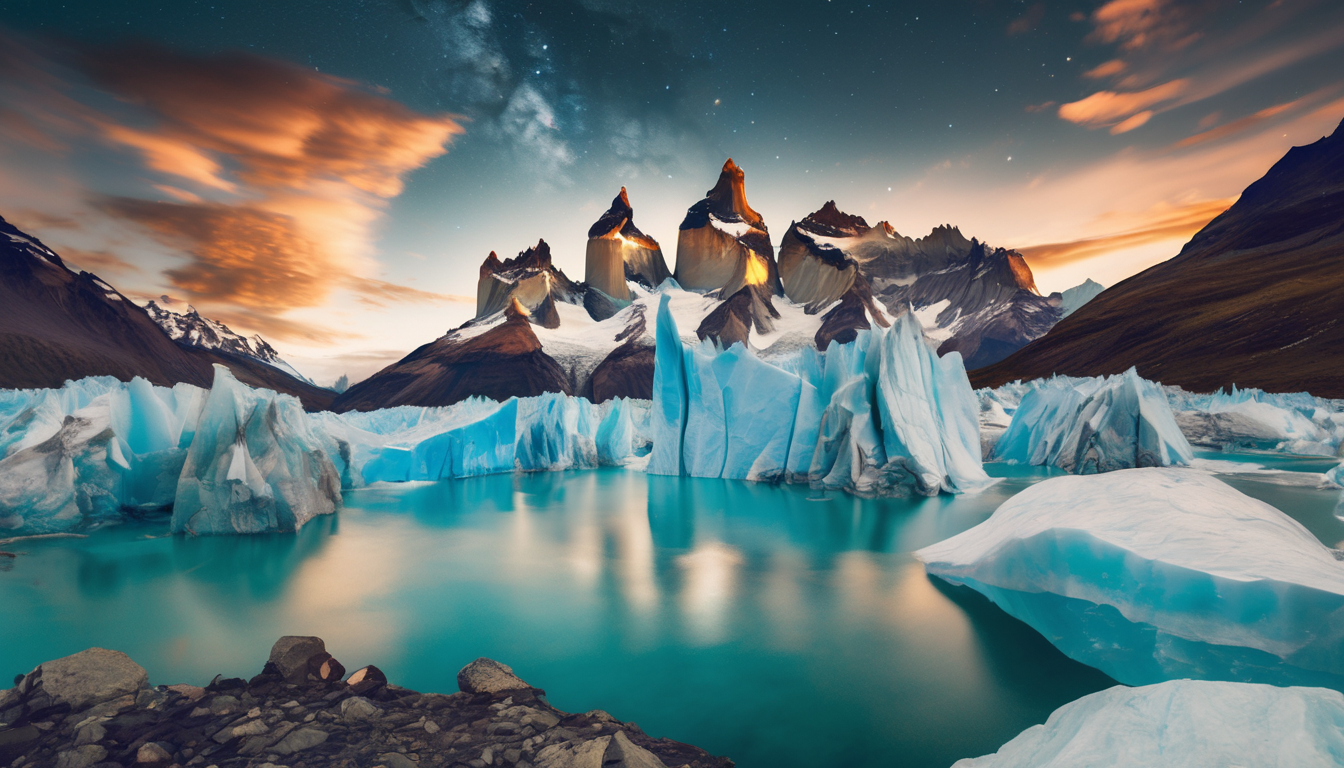
Picture yourself walking on a transparent platform stretched over a massive glacier. Beneath your feet, ancient ice glows in shades of blue and white as far as the eye can see. Patagonia’s Glacier Skywalks rank among its most exciting and innovative attractions. Designed to let visitors get up close without disturbing the delicate glacier ecosystem, they offer a breathtaking experience.
A favorite is the Skywalk at Perito Moreno Glacier in Argentina, which opened in early 2025. Combining smart design with eco-conscious materials and powered by renewable energy, it gives you a safe, unforgettable way to admire the glacier while keeping the environment intact.
TIPS FOR VISITING GLACIER SKYWALKS
• Book ahead—these skywalks are super popular, and spots fill up quickly.
• Dress warmly—even in Patagonia’s summer months, glacier areas can feel freezing.
• Bring a good camera to capture those stunning views.
• Consider guided tours—they often share fascinating stories about how glaciers form and the effects of climate change.
STARGAZING LODGES: LUXURY UNDER A CANOPY OF STARS
Patagonia’s night sky is something else. Far from city lights, the stars shine brighter than you’ve probably ever seen. Recently, stargazing lodges have become all the rage—offering cozy luxury with an eco-friendly twist.
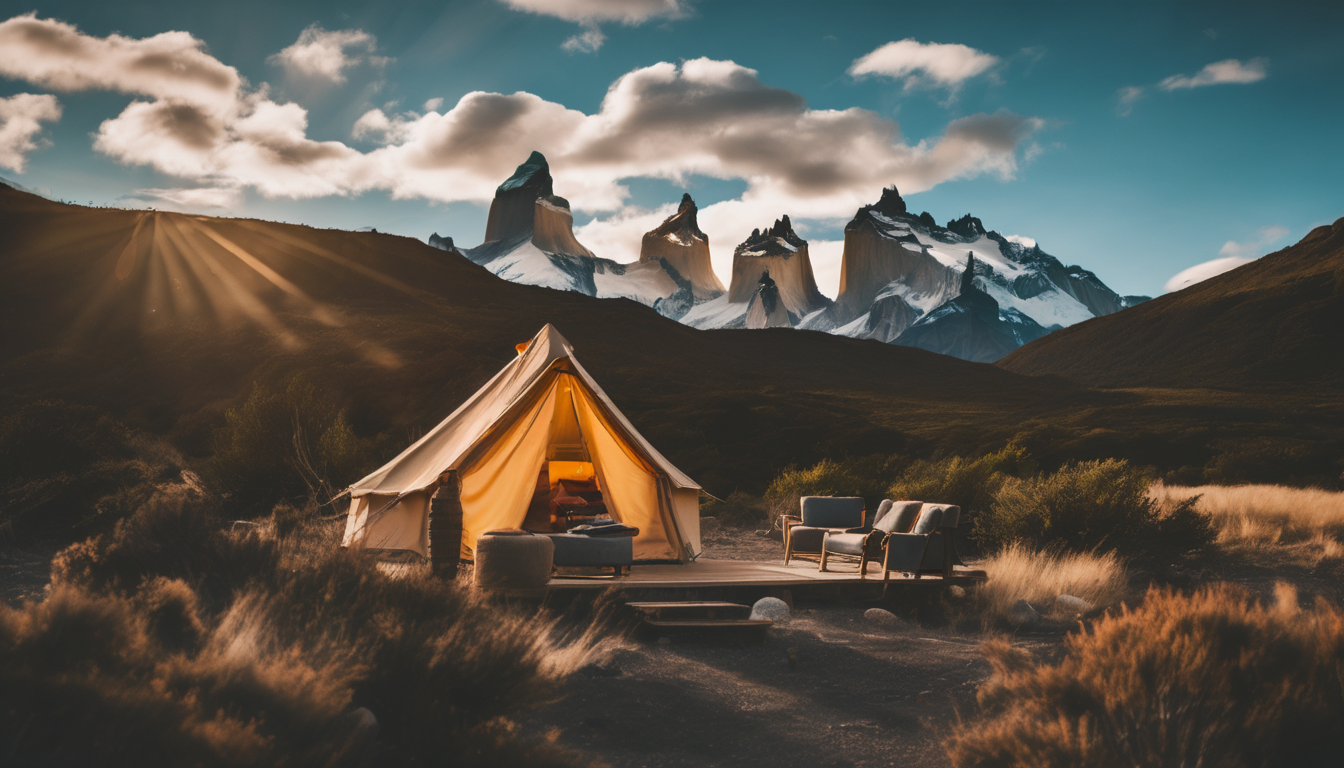
Take El Cielo Lodge in Chile’s Torres del Paine National Park. This off-the-grid hideaway features glass-domed suites where you can fall asleep gazing up at a sky filled with stars. Powered entirely by solar energy and built with sustainable materials, it’s the perfect guilt-free treat for nature lovers.
WHY PATAGONIA’S STARGAZING IS ONE-OF-A-KIND
Thanks to its location in the Southern Hemisphere, Patagonia offers views of constellations you won’t find up north—like the Southern Cross and the Magellanic Clouds. Plus, during the winter months (June to August), you might catch the magical aurora australis, or southern lights, dancing across the sky.
TIPS FOR A STUNNING NIGHT UNDER THE STARS
• Plan your visit around a new moon for the darkest skies.
• Dress warmly—nights can get chilly even in summer.
• Download a stargazing app or bring a guidebook to help identify constellations.
• Stay up late—the best viewing hours are usually between midnight and 3 a.m.
WHERE ADVENTURE MEETS ECO-CONSCIOUSNESS
Patagonia’s green commitment goes beyond skywalks and lodges. Many tour operators now offer carbon-neutral activities like kayaking on glacial lakes or hiking trails carefully designed to prevent erosion. Even the food scene is embracing sustainability, with farm-to-table restaurants serving up local, organic dishes.
A standout project is the Patagonia Trail Initiative, launched in 2024. This ambitious effort links existing hiking routes across Argentina and Chile into a 1,200-mile eco-trail network. Along the way, hikers can stay in sustainable shelters while exploring diverse landscapes.
EXPLORING PATAGONIA ON A BUDGET
Though Patagonia is often seen as a luxury getaway, there are plenty of ways to experience its wonders without breaking the bank. Here are some tips:
• Travel during the shoulder seasons—October to November or March to April—to avoid crowds and snag better deals.
• Stay in eco-friendly hostels that offer affordable rates and sustainable practices.
• Use public buses to get between towns and parks—it’s budget-friendly and convenient.
• Bring your own gear—renting hiking boots or jackets can be pricey in tourist areas.
LOOKING AHEAD: THE FUTURE OF TRAVEL IN PATAGONIA
With growing awareness about climate change, Patagonia is setting a high bar for responsible tourism. Investments in renewable energy, conservation, and eco-friendly infrastructure show that you don’t have to sacrifice the planet to enjoy incredible travel experiences.
If Patagonia has been on your travel wish list, now’s the perfect time to go. Whether you’re marveling at glaciers from above, counting stars beneath a glass dome, or trekking through untouched wilderness, this place will leave you inspired—and maybe a little humbled—by the power and beauty of nature.
So, what are you waiting for? Patagonia is calling.