While the Blue Lagoon attracts millions of visitors to Iceland every year, there’s so much more to explore when it comes to the country’s geothermal magic. From secluded hot springs tucked into valleys to steaming rivers far off the beaten path, Iceland’s lesser-known gems promise adventure, relaxation, and unforgettable beauty.
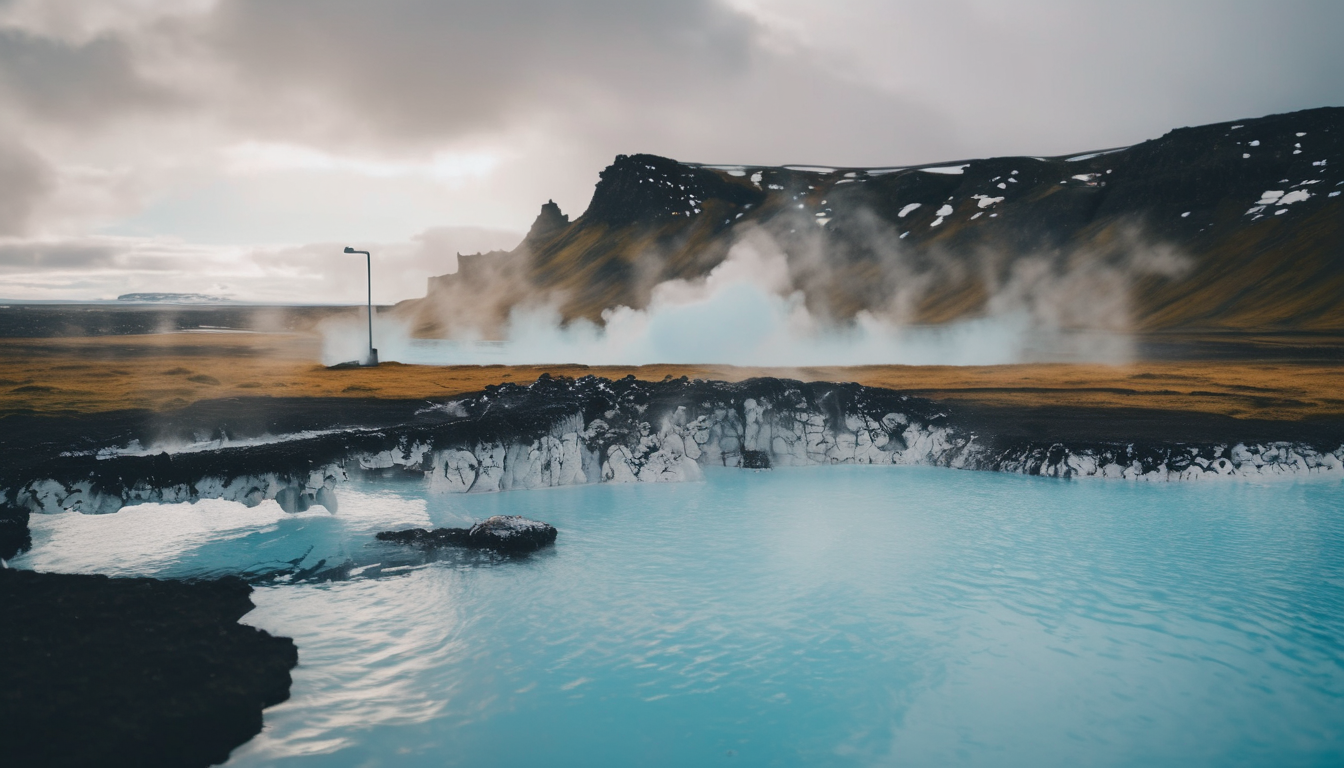
Iceland has always been known for its geothermal wonders, with the Blue Lagoon standing out as the crown jewel—its milky-blue waters and world-class spa make it one of the country’s most famous spots. But if you’ve already been there or are looking for something a bit more off the beaten path, Iceland is full of hidden hot springs and remote geothermal gems just waiting to be explored.
### Why Look Beyond the Blue Lagoon?
There’s no denying the Blue Lagoon is stunning, but it’s also incredibly popular. In 2025 alone, over 1.5 million people soaked in its warm waters, often sharing the space with hundreds of others at the same time. If you’re after peace, quiet, or a sense of adventure, Iceland’s lesser-known geothermal spots offer a completely different vibe—think solitude, untouched landscapes, and that exciting feeling of discovery.
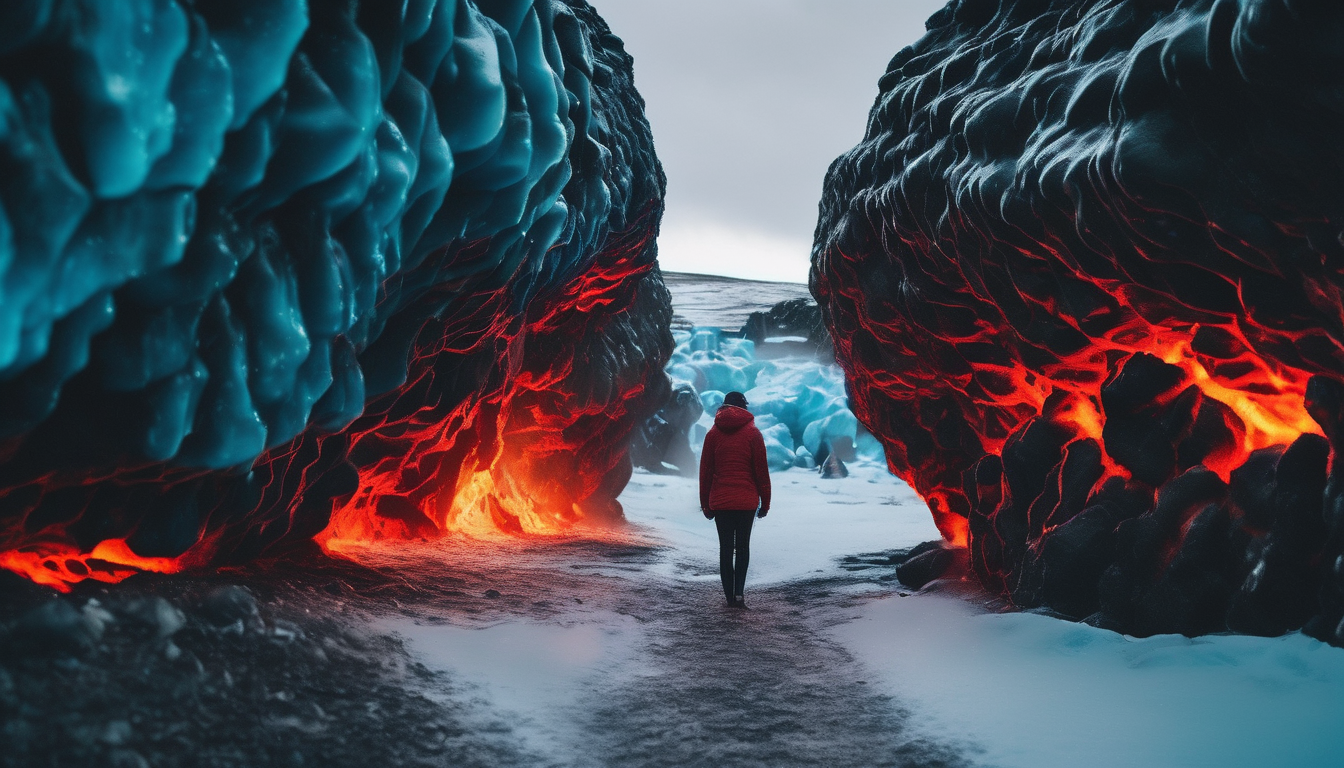
When you venture out to these hidden springs, you also get a closer look at Iceland’s volcanic heart. With more than 600 natural hot springs across the island, you can find everything from small, cozy pools surrounded by mossy lava fields to bubbling rivers tucked away in dramatic canyons. Many of these spots are free to visit, making them a fantastic choice for budget travelers or anyone craving authentic, unspoiled beauty.
### Where to Find Hidden Hot Springs
- **Reykjadalur Valley** – Just a 40-minute drive from Reykjavik, Reykjadalur (which means “Steam Valley”) is a popular yet still peaceful spot. After a scenic 3-kilometer hike past steaming vents and bubbling mud pools, you’ll arrive at a warm river perfect for soaking, all surrounded by rolling hills. It’s pure nature at its best—and it’s free to enjoy.
- **Hrunalaug** – Tucked near the small village of Flúðir, this tiny hot spring feels like a secret hideaway. With rustic stone walls and a cozy wooden shelter, it’s perfect for a quiet, intimate soak. Since it’s on private land, a small donation is appreciated to help with upkeep.
- **Landmannalaugar** – Deep in the Icelandic Highlands, Landmannalaugar is a favorite among hikers on the Laugavegur Trail. Its hot springs sit against a backdrop of colorful rhyolite mountains, creating a truly surreal setting. Getting there requires a 4x4 vehicle or a guided tour, but the journey is well worth it.
- **Seljavallalaug** – One of Iceland’s oldest swimming pools, Seljavallalaug lies in a peaceful valley not far from the famous Skógafoss waterfall. A short walk from the parking lot leads you to this serene pool that feels like stepping into another world. It’s free to visit, but don’t expect modern facilities—there are no hot showers here, only cold.
- **Viti Crater Lake** – Located in the Krafla geothermal area in northern Iceland, Viti (which means “Hell”) is a volcanic crater filled with striking turquoise water. While you can’t swim in it, the surrounding geothermal landscape, with its steaming vents and otherworldly views, is fascinating to explore.
### How to Prepare for Your Geothermal Adventures
Before you head off to discover these hidden gems, a little preparation goes a long way. Here are some handy tips to help you enjoy your trip safely:
- **Pack smart.** Bring a swimsuit, a quick-drying towel, water shoes (some springs have rocky or slippery bottoms), and a waterproof bag for your stuff.
- **Dress for the weather.** Iceland’s weather can change in a heartbeat, so layer up and wear sturdy hiking boots, especially if you’re trekking to more remote spots.
- **Respect the land and local rules.** Many hot springs sit on private property or in protected areas. Always follow posted guidelines, leave no trace, and avoid using soap or shampoo in the natural pools.
- **Choose your timing wisely.** Some springs get busy during peak hours, so visiting early in the morning or later in the evening can mean a more peaceful soak.
- **Check road and weather conditions.** If you’re heading to remote places, keep an eye on the weather and road updates. The Highlands, for example, are usually only accessible during the summer months.
### The Magic of Remote Geothermal Spots
What makes Iceland’s hidden hot springs so special is the sense of adventure they bring. Picture yourself soaking in warm waters under the midnight sun or watching the Northern Lights dance above you. These are the kinds of moments that stay with you long after the trip ends.
For a truly off-the-grid experience, consider hiring a local guide who knows the secret spots. They can take you to geothermal springs you won’t find on any map and help you navigate tricky terrain safely. Some companies even offer private tours where you can trek through Iceland’s wilderness to discover these hidden wonders.
### Why Iceland’s Geothermal Heritage Matters
Iceland’s geothermal activity isn’t just a tourist attraction—it’s a cornerstone of the country’s culture and sustainability. Around 90% of Icelandic homes are heated with geothermal energy, and volcanic activity has shaped everything from early Viking settlements to today’s renewable energy innovations.
By visiting these natural hot springs, you’re connecting with a landscape that has supported and inspired Icelanders for centuries. It’s a powerful reminder of nature’s strength and beauty—and why it’s so important to protect it for future generations.
### Final Thoughts
The Blue Lagoon will always be a must-see, but Iceland’s hidden geothermal spots offer their own kind of magic. Whether you’re soaking in a quiet pool surrounded by lava fields or hiking to a warm river tucked away in the mountains, these experiences offer a deeper, more personal connection to Iceland’s wild and rugged beauty.
So grab your swimsuit, hit the road, and get ready to explore Iceland beyond the Blue Lagoon. Adventure awaits, and those secret hot springs are calling your name.