While many travelers flock to South America’s bustling capitals, Sucre quietly offers a blend of charm, history, and culture that’s hard to find anywhere else. Bolivia’s constitutional capital might just be the hidden gem your travel plans are missing.
South America is filled with unforgettable travel spots. From the lively buzz of Rio de Janeiro to the ancient wonder of Machu Picchu, it draws adventurers and culture lovers alike. But while those famous places get all the attention, there’s a quieter, lesser-known side of the continent that’s truly worth exploring. Take Sucre, Bolivia’s constitutional capital, for example—it’s a hidden gem that’s definitely worth your time.
### Why Sucre Should Be on Your Radar
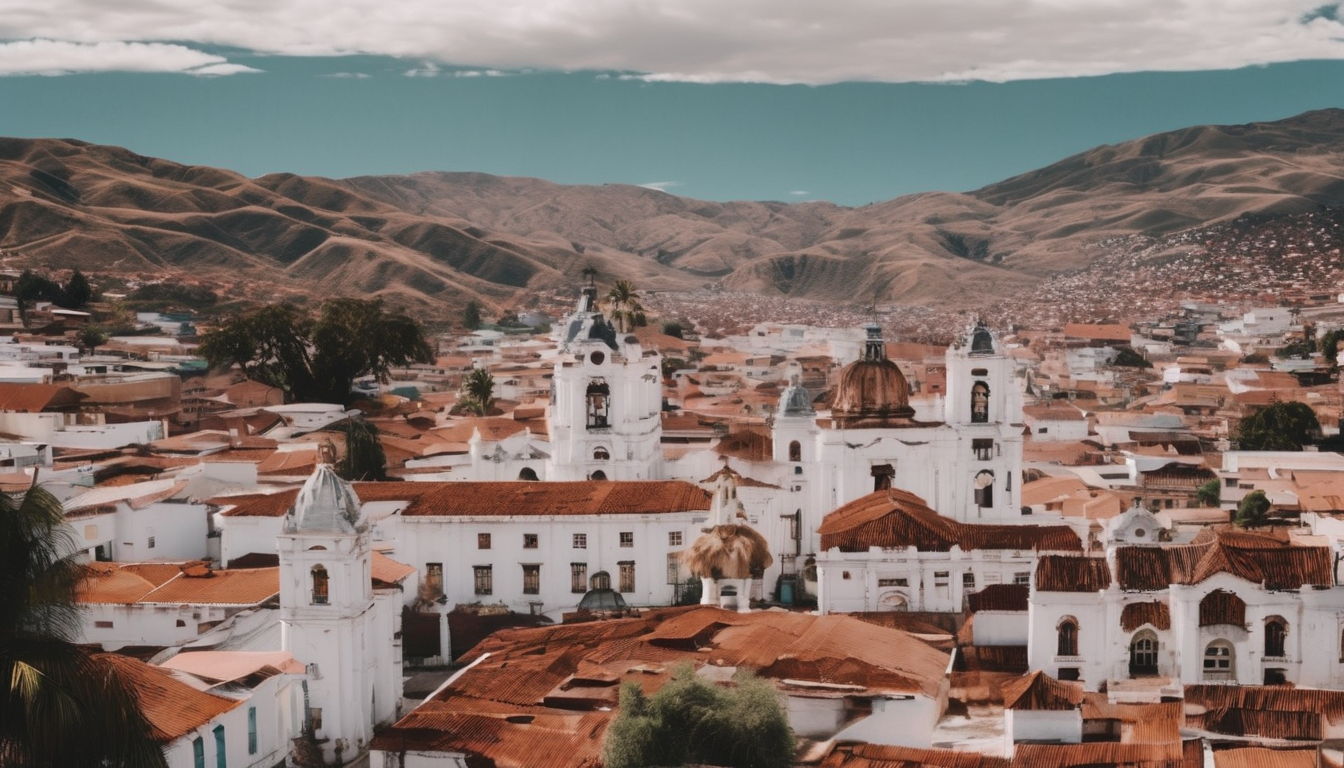
Tucked away in a valley surrounded by gentle hills, Sucre isn’t just another colonial-era city—it feels like stepping into a living museum. Often called the “White City” thanks to its whitewashed buildings, Sucre exudes a peaceful charm. Wander its streets, and you’ll find history whispering from every corner, but there’s also a lively, youthful energy buzzing through its art and music scenes.
What really makes Sucre stand out? For starters, it’s a UNESCO World Heritage Site, and walking its cobblestone streets is like traveling back in time. The colonial architecture is stunning, with beautifully preserved churches, courtyards, and government buildings. Beyond the pretty facades, Sucre holds a special place in Bolivian history—it’s where the nation declared its independence in 1825. That moment shaped Bolivia’s identity, and you can feel that significance here.
Despite all this, Sucre remains off the typical tourist path. That means fewer crowds, a more authentic vibe, and a chance to experience Bolivia in its purest form.
### Must-See Spots in Sucre
- **Plaza 25 de Mayo:** This vibrant square is Sucre’s beating heart and the perfect place to start your adventure. Surrounded by historic landmarks like the Metropolitan Cathedral and the Casa de la Libertad—where Bolivia’s independence was signed—it’s a great spot to grab a coffee and soak up the atmosphere.
- **Casa de la Libertad:** History lovers won’t want to miss this museum, packed with artifacts and stories from Bolivia’s fight for freedom. The guides here are passionate storytellers who bring the past to life.
- **Recoleta Viewpoint:** For a stunning panoramic view of the city, head to La Recoleta. It’s a short uphill walk or taxi ride from downtown, and the peaceful vibe makes it a great spot to unwind after a day of exploring.
- **Tarabuco Market:** If you’re in town on a Sunday, make time for this lively market about an hour outside Sucre. Local artisans sell vibrant handwoven textiles, pottery, and more. The colors and patterns here are truly eye-catching.
- **Dinosaur Park (Cal Orcko):** Yes, dinosaurs! Just outside Sucre, Cal Orcko boasts one of the world’s largest collections of dinosaur footprints—over 5,000 impressions etched into a massive limestone wall. It’s a fascinating mix of natural history and geology that’s fun for all ages.
### What to Eat and Drink in Sucre
Bolivian food is hearty, flavorful, and full of surprises, and Sucre shines when it comes to local eats. Don’t miss the city’s famous *salteñas*—baked empanadas filled with meat, veggies, and a slightly sweet, savory sauce. They make a perfect mid-morning snack, but be careful—they can be deliciously messy!
Another local favorite is *mondongo*, a traditional dish with pork, hominy, and a rich red chili sauce. Wash it down with *chicha*, a fermented corn drink that’s been enjoyed in the Andes for centuries.
And if you’ve got a sweet tooth, Sucre won’t let you down. The city’s artisan chocolate shops are top-notch, offering rich chocolates made from local cacao. Be sure to visit Para Ti, one of the most renowned chocolatiers in town.
### Getting Around Sucre
Sucre is a compact city best explored on foot—most attractions are close enough to stroll between. For places a bit further out, like Cal Orcko, taxis are inexpensive and easy to find.
If you’re flying in from abroad, Alcantarí International Airport is the main gateway, about 30 kilometers from the city. The drive into Sucre is scenic and sets the tone for your visit.
### Why Visit Sucre Now?
Sucre is still a bit of a hidden treasure, but that’s changing. More travelers are seeking authentic, off-the-beaten-path experiences, and Sucre is slowly stepping into the spotlight. Visiting now means you get to enjoy the city before it becomes overrun, keeping its unique charm intact.
Bolivia has also improved its infrastructure and flight connections, making travel here easier than ever. Plus, 2026 marks the bicentennial of Bolivia’s independence, so expect a year full of celebrations and cultural events.
### Tips to Make the Most of Your Trip
- Spend at least three days here to really soak in the history and culture.
- Pack comfy shoes—you’ll want them for wandering those cobblestone streets.
- Brush up on some basic Spanish. While many in tourism speak English, a little Spanish goes a long way in connecting with locals.
- Take your time. Sucre isn’t a city to rush through; it’s one to savor.
### Final Thoughts
Sucre might not have the global fame of Rio or Buenos Aires, but that’s exactly what makes it special. It’s a place where history comes to life, Bolivian culture feels authentic, and the scenery is stunning—all without the crowds. Whether you’re passionate about history, a food lover, or just after a unique travel experience, Sucre has you covered. So why not make 2026 the year you uncover Bolivia’s best-kept secret?