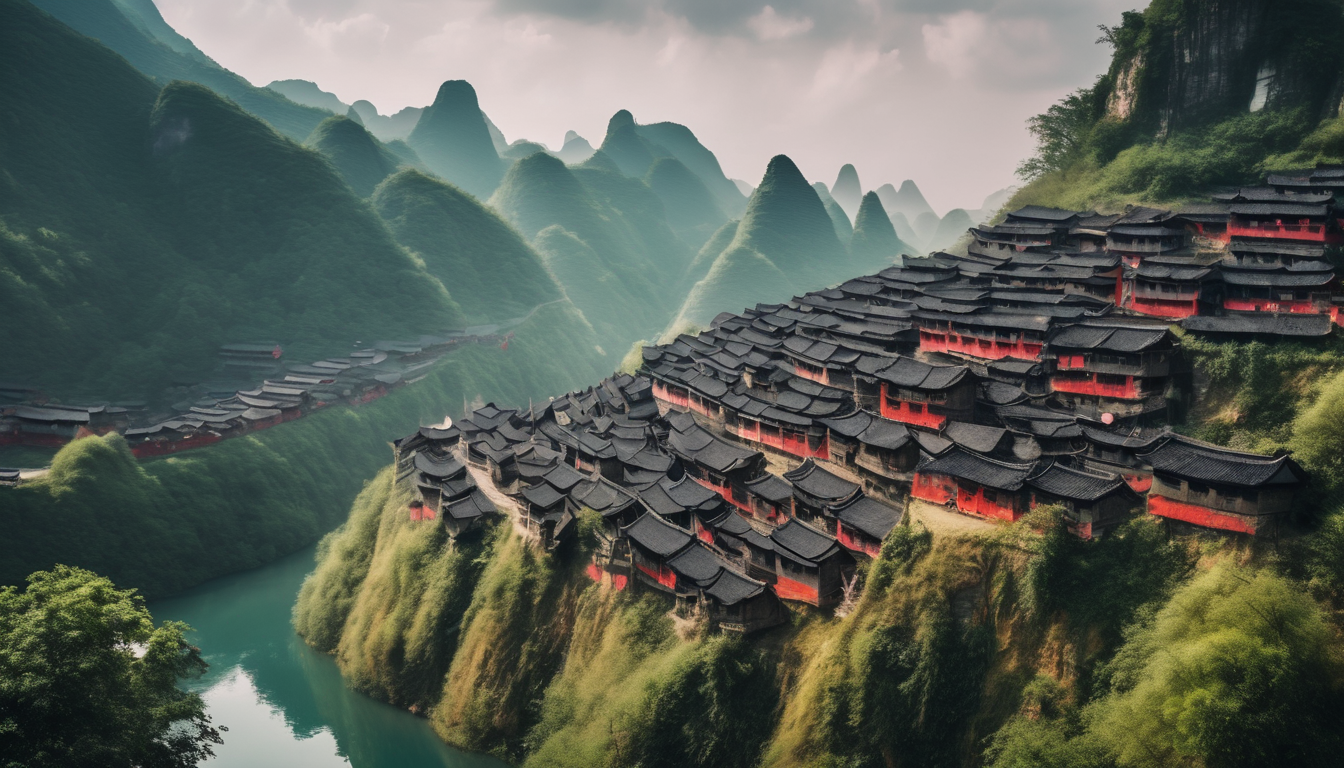
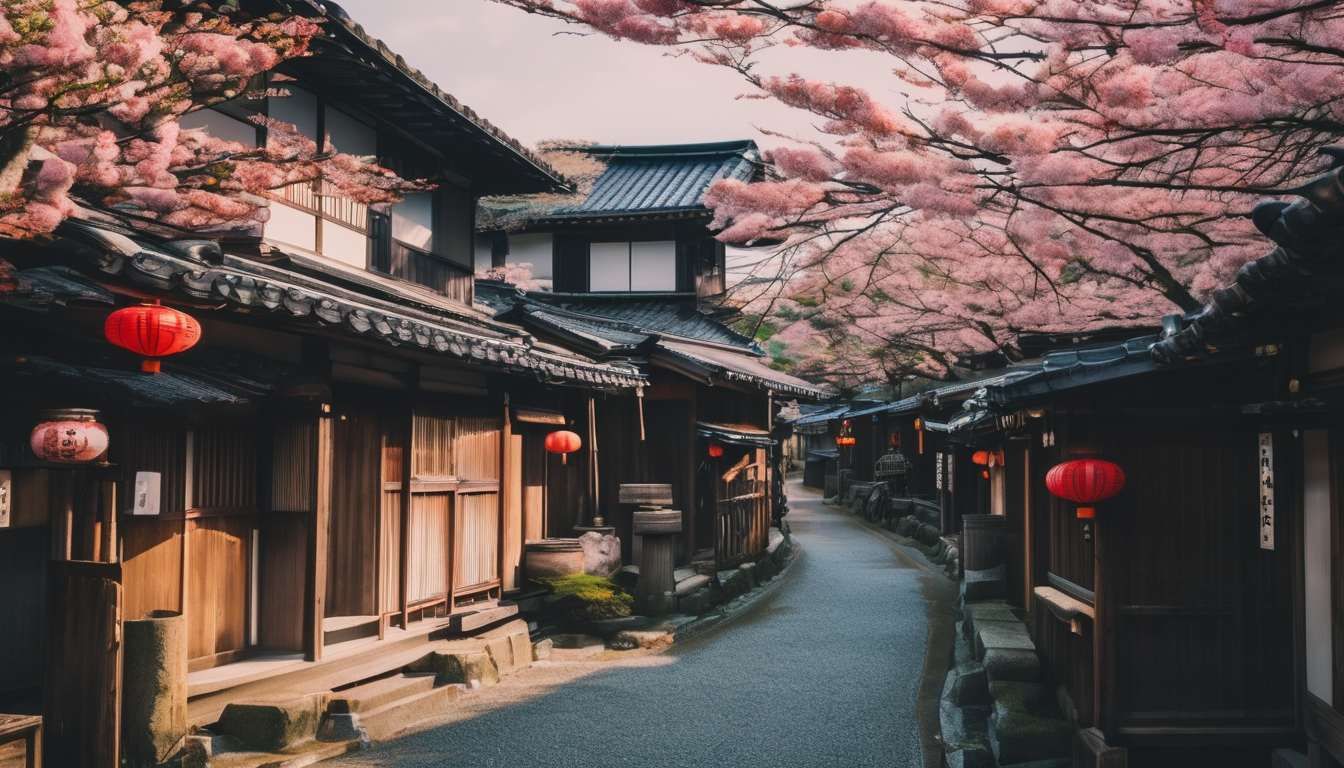
Escape the bustling cities of Japan and step into a portal to the past. Discover the charm of Edo-era villages where history, culture, and nature come together, offering an unforgettable experience far from the usual tourist spots.
Japan has this incredible way of mixing the ultra-modern with deep-rooted tradition. Sure, places like Tokyo and Kyoto steal the spotlight, but there’s a quieter, almost timeless side of the country waiting to be discovered. Enter Japan’s Edo-era villages—where cobblestone streets, wooden merchant houses, and peaceful tea shops transport you straight back to the 1600s. If you’re craving a travel experience that’s rich in culture and authenticity, these villages are calling your name. Let’s jump into the ultimate 2026 guide to exploring these timeless treasures.
Why Now Is the Perfect Time to Explore Edo-Era Villages
Let’s be honest—Japan’s big cities can get pretty overwhelming, especially as tourism bounces back. In 2023, over 31 million visitors came from abroad, and that number keeps climbing. Famous spots like Kyoto’s Kinkaku-ji or Osaka’s Dotonbori are stunning, no doubt, but they’re often crowded with tourists snapping selfies and packed tour buses. Edo-era villages offer something different: calm, quiet, and a chance to truly soak in Japan’s heritage without the hustle and bustle.
These villages fly under the radar for most travelers, so you get a rare opportunity to experience authentic Japan away from the crowds. Plus, with Japan’s renewed push for sustainable tourism in 2026, many of these historic sites are being lovingly preserved. It’s the perfect moment to visit.
What Makes Edo-Era Villages So Special
The Edo period (1603-1868) was a defining chapter in Japanese history, bursting with art, culture, and unique architecture. Visiting these villages is like stepping into a living museum, where you can experience:
• Traditional wooden buildings like machiya (townhouses) and historic gates
• Streets so well-preserved they look like scenes straight out of a samurai film
• Artisan workshops where craftsmen create pottery, paper, and lacquerware right before your eyes
• Seasonal festivals that have been celebrated for hundreds of years
These villages aren’t just places to see—they’re spaces to slow down and dive into a simpler, older way of life.
Must-See Edo-Era Villages
• Takayama, Gifu Prefecture
Tucked away in the Japanese Alps, Takayama is a charming town with a beautifully preserved old quarter called Sanmachi Suji. Stroll narrow streets lined with sake breweries and browse lively morning markets for local treats. Time your visit for the Takayama Festival in spring or autumn to catch dazzling floats and traditional music.
• Tsumago, Nagano Prefecture
Visiting Tsumago feels like stepping into a time capsule. This post town along the historic Nakasendo Trail—once a key route between Kyoto and Edo (now Tokyo)—is famous for its strict preservation rules. Cars aren’t allowed in the old town, and power lines are cleverly hidden to keep the Edo-era vibe intact. Don’t miss a scenic hike to Magome, another quaint post town with breathtaking mountain views.
• Ouchi-juku, Fukushima Prefecture
Once a bustling stop on the Aizu-Nishi Kaido trade route, Ouchi-juku is famous for its thatched-roof houses. Try the local specialty, negi soba—buckwheat noodles eaten with a green onion used as chopsticks. It’s a quirky, delicious taste of regional history you won’t forget.
• Shirakawa-go, Gifu Prefecture
A UNESCO World Heritage Site, Shirakawa-go is renowned for its gassho-zukuri farmhouses with steep thatched roofs designed to handle heavy snow. Visit in winter for a magical, snow-covered wonderland or come in summer to see vibrant green rice paddies surrounding the houses. Many of these farmhouses welcome visitors, offering a peek into rural Edo-era life.
• Kawagoe, Saitama Prefecture
Just a short train ride from Tokyo, Kawagoe is affectionately known as “Little Edo.” Its Kurazukuri Street is lined with traditional warehouses now transformed into museums, cafes, and shops. Be sure to check out the iconic Toki no Kane bell tower, which has been chiming since the 1600s.
Tips to Get the Most Out of Your Visit
• Plan Ahead
These villages tend to be small, with limited lodging options. If you want to visit during peak seasons like cherry blossom or autumn leaves, book your accommodation early.
• Immerse Yourself in Local Culture
Stay at a ryokan (traditional inn) to experience authentic Japanese hospitality. Enjoy a kaiseki dinner, soak in an onsen, and sleep on a futon laid out on tatami mats.
• Explore Beyond the Main Streets
While these villages are generally peaceful, weekends and holidays can attract domestic tourists. Visiting on weekdays often means a quieter, more intimate experience.
• Learn a Few Japanese Phrases
Even a simple “konnichiwa” (hello) and “arigatou” (thank you) go a long way in these rural areas and will be warmly appreciated.
• Take Your Time
This isn’t a place to rush through. Wander down side streets, chat with locals, and soak in the atmosphere. The slower you go, the more rewarding your visit will be.
Looking Ahead: The Future of Edo-Era Villages
Japan is working hard to balance tourism with preservation. Local governments are investing in restoration projects and promoting sustainable travel to keep these villages pristine for future generations. By visiting responsibly, you’re not just enriching your own journey—you’re helping protect a vital part of Japan’s cultural heritage.
Final Thoughts
There’s something truly magical about stepping into a place where time feels like it stands still. Edo-era villages offer a rare window into Japan’s past, far from the neon lights and skyscrapers most people picture. Whether you’re admiring the craftsmanship of a gassho-zukuri roof, sipping sake in a centuries-old brewery, or simply wandering cobblestone streets, these hidden gems promise an unforgettable adventure. So pack your bags, lace up your walking shoes, and get ready to explore a side of Japan that will stay with you forever.