Japan's hidden hot spring towns offer tranquility, authentic cultural experiences, and thermal bliss beyond the tourist crowds. Discover the lesser-known onsens where relaxation meets adventure in this comprehensive guide.
There’s something endlessly captivating about Japan’s hot springs, or onsens. While well-known places like Hakone and Beppu attract crowds year after year, more travelers are now craving the peaceful charm of quieter, lesser-known onsen towns. These tucked-away spots offer more than just a break from the busy tourist trails—they provide a genuine connection to nature, tradition, and the soothing power of Japan’s geothermal waters. Let’s dive into some hidden onsen gems waiting to be discovered in 2026.
**Why These Hidden Hot Springs Are Worth Your Time**
In 2026, travelers are looking for more than just a destination—they want meaningful experiences that refresh both mind and soul. That’s where these lesser-known onsen towns come in. Often nestled in serene mountain valleys, dense forests, or along quiet coastlines, they offer a peaceful escape far from the usual crowds.
There’s also an important sustainability angle. Overcrowding at popular onsens can strain the environment and erode local culture. By choosing to visit these hidden spots, you’re not only supporting small communities but also enjoying a more authentic, one-of-a-kind experience.
**Hidden Onsen Towns to Explore**
- **Kinosaki Onsen (Hyogo Prefecture)**
Though Kinosaki is gaining attention, it still feels like a charming secret compared to places like Hakone. Imagine strolling around town in a yukata (a light cotton robe), hopping between seven traditional bathhouses. Don’t miss Goshono-yu with its open-air baths overlooking lush greenery, or the cozy, intimate vibe of Mandara-yu.
- **Nyuto Onsen (Akita Prefecture)**
Tucked away in northern Japan’s mountains, Nyuto Onsen is a dream for those seeking rustic authenticity. The town consists of several ryokans (traditional inns), each with its own hot spring. Tsurunoyu, the most famous, dates back to the Edo period and features milky-white, mineral-rich waters said to soothe both body and soul.
- **Shimoda Onsen (Shizuoka Prefecture)**
On the beautiful Izu Peninsula, Shimoda blends hot spring relaxation with stunning views of the Pacific Ocean. This historic port town—where Japan first opened up to Western trade in the 1850s—offers onsens that overlook the sea, making sunset soaks truly unforgettable.
- **Unazuki Onsen (Toyama Prefecture)**
Located near the entrance to the breathtaking Kurobe Gorge, Unazuki is perfect for nature lovers. After a day riding the scenic Kurobe Gorge Railway or hiking along the trails, you can unwind in some of Japan’s clearest onsen waters. The fresh mountain air paired with warm baths is hard to beat.
- **Kawayu Onsen (Wakayama Prefecture)**
If you’re trekking the Kumano Kodo pilgrimage trails, Kawayu Onsen is a must. This unique spot sits right by the Oto River, where you can dig your own hot spring pool in the riverbed and let the geothermal water bubble up around you. It’s a rare, magical experience you won’t find anywhere else.
**What to Expect in a Traditional Onsen Town**
Visiting these hidden towns is as much about the journey as the destination. Many can only be reached by scenic train rides or winding bus routes, adding to their charm. Here’s what you’ll typically experience:
- Staying in traditional ryokans, with tatami mat rooms, futon bedding, and beautifully prepared kaiseki meals (multi-course Japanese dining)
- Baths that may be mixed-gender or separated by gender—always check the rules before you go
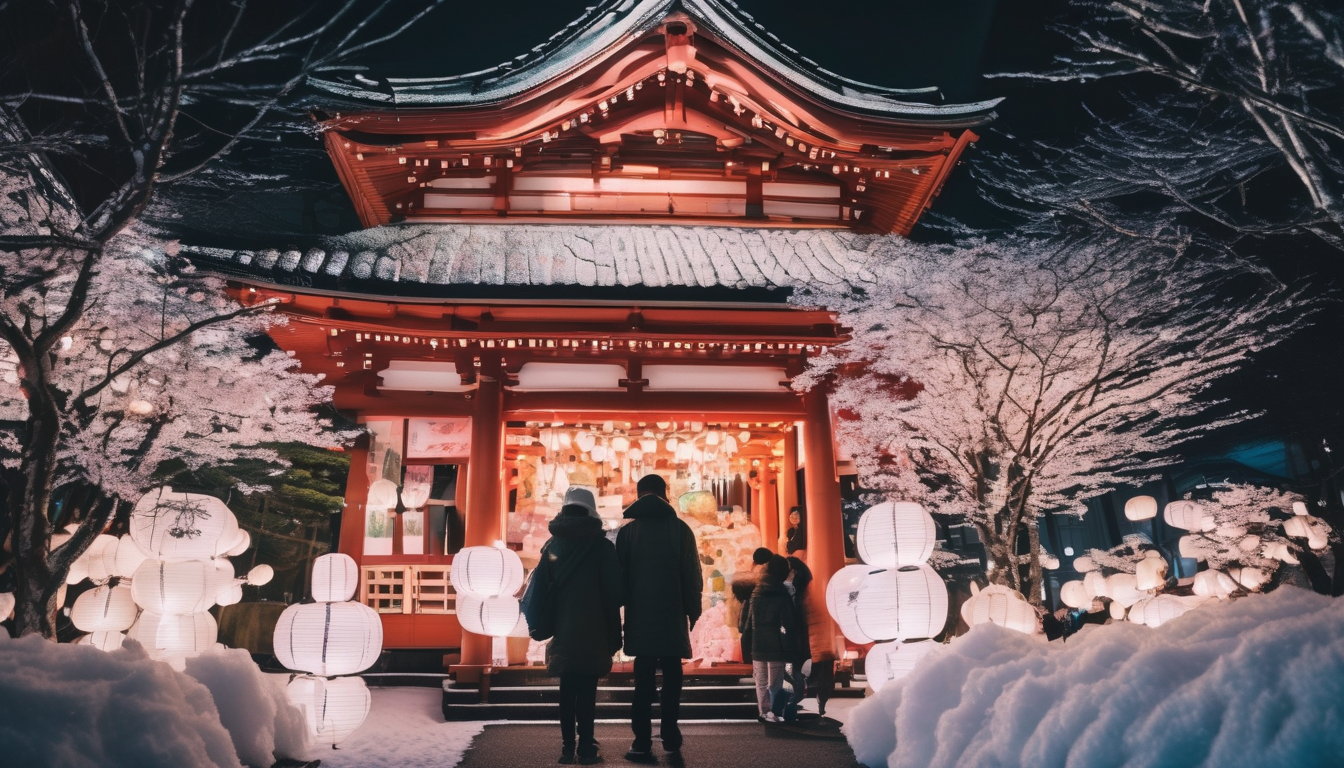
- Stunning seasonal scenery, from cherry blossoms in spring to snow-blanketed landscapes in winter
- A slower pace of life focused on relaxation, nature, and cultural immersion
**Onsen Etiquette: What You Should Know**
If it’s your first time at an onsen, don’t worry—it’s easier than you think to get the hang of the etiquette. Here are the basics:
- Always wash yourself thoroughly before entering the baths. Every onsen provides shower areas for this.
- Swimsuits aren’t allowed—onsens are enjoyed nude, which might feel strange at first but is completely normal in Japan.
- Keep your towels out of the water; many people rest them on their heads while soaking.
- Tattoos can still be a sensitive issue at some onsens, though more places are becoming tattoo-friendly as Japan welcomes more international visitors. If you have tattoos, it’s a good idea to check beforehand.
**When Is the Best Time to Visit?**
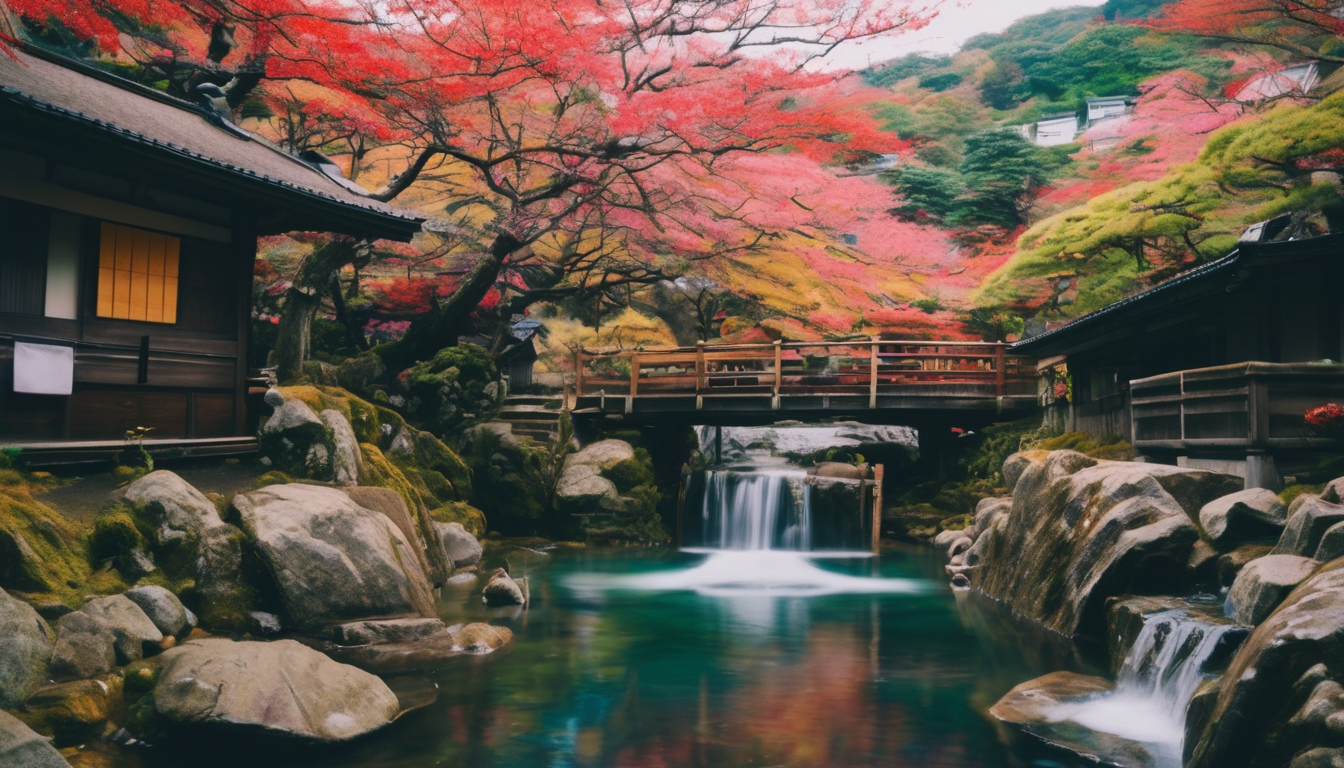
Onsens are wonderful all year round, but winter offers a particularly magical experience. There’s something unforgettable about soaking in steaming hot water while snow gently falls around you. Spring and autumn are equally beautiful, with cherry blossoms and vibrant maple leaves adding to the atmosphere. Summers can be humid, but many outdoor baths surrounded by lush greenery provide a refreshing escape.
**Tips for Getting Off the Beaten Path**
These hidden onsen towns often require a bit of planning, but the effort pays off. Japan’s rail system is excellent, and many towns are reachable by local trains or buses from major hubs like Tokyo, Osaka, or Kyoto.
To make your trip smoother:
- Consider a Japan Rail Pass if you’re traveling across multiple regions.
- Look up local bus timetables in advance, as some routes run less frequently.
- If you feel comfortable driving in Japan, renting a car can be a great way to reach more remote spots.
**Final Thoughts**
Exploring Japan’s hidden hot spring towns is about more than just relaxing in warm water—it’s a chance to tap into the heart of Japanese culture. These peaceful retreats invite you to slow down, soak in nature, and experience something truly authentic. Whether you’re a seasoned traveler or it’s your first time in Japan, stepping off the beaten path for a soak in these onsens might just be the highlight of your 2026 adventure.