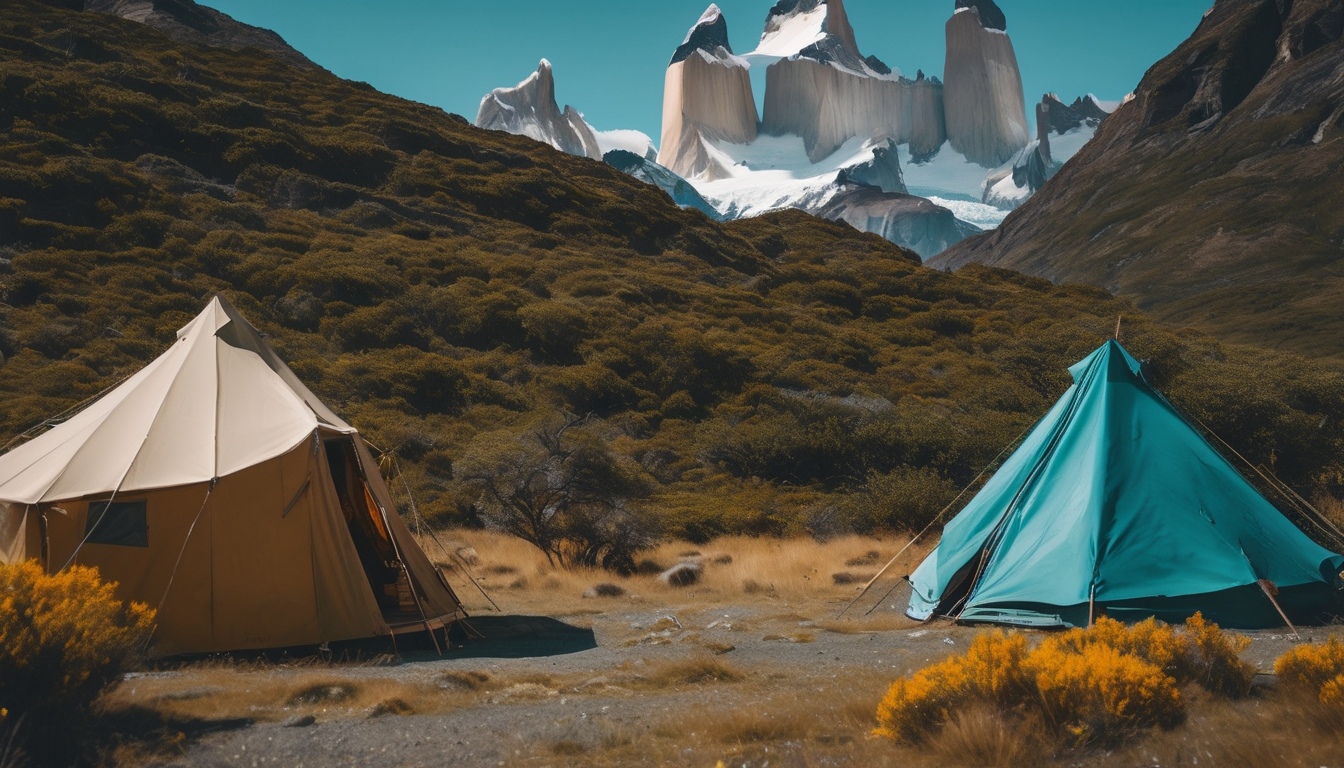
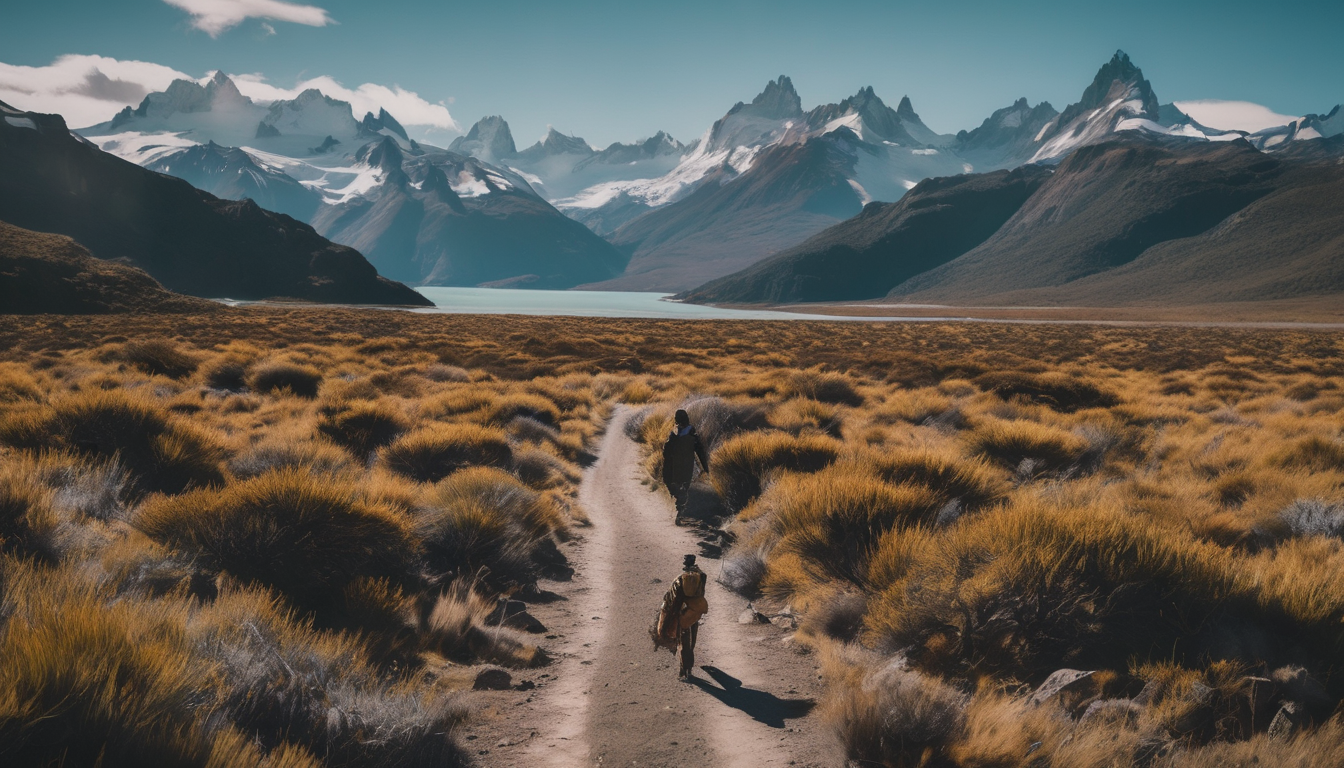
Dive into the pristine landscapes of Patagonia with this 7-day eco-friendly adventure. From towering glaciers to windswept steppes, discover how to explore one of the world’s most remote regions sustainably in 2026.
Patagonia has always been a place that captures the imagination with its wild, untamed beauty. Imagine jagged mountain peaks, crystal-clear turquoise lakes, vast glaciers, and endless skies stretching out above you. But in 2026, as travelers increasingly focus on sustainability, visiting Patagonia is about more than just adventure—it’s about exploring this incredible region responsibly. Let me guide you through a 7-day eco-friendly journey across Argentina’s pristine wilderness, where every choice you make helps keep this paradise just as untouched as you found it.
**WHY PATAGONIA SHOULD BE ON YOUR BUCKET LIST**
There’s something truly magical about Patagonia that’s hard to put into words. It’s the kind of place that makes you feel wonderfully small and connected all at once. Spanning southern Argentina and Chile, this vast region is a playground for outdoor lovers. Think soaring Andes peaks, the awe-inspiring Perito Moreno Glacier, and the sprawling, windswept Patagonian steppe.
What really sets Patagonia apart, though, is its remoteness. Unlike many popular destinations, much of this land remains beautifully unspoiled. That’s why traveling here sustainably isn’t just a trend—it’s essential. The delicate ecosystems demand care and respect, but the good news is, there are plenty of ways to explore thoughtfully.
**DAY 1: ARRIVE IN EL CALAFATE AND EMBRACE SLOW TRAVEL**
Your adventure kicks off in El Calafate, a charming town nestled on the shores of Lago Argentino. To start off eco-friendly, skip the domestic flight and hop on one of Argentina’s long-distance buses instead. It takes a little longer, but the sweeping views of the pampas along the way make it a journey worth savoring.
Once you arrive, settle into an eco-lodge like Patagonia Eco Domes, which runs on solar power and is built using local materials. Spend your first evening strolling by the lake, spotting flamingos in their natural habitat. Don’t forget to stop by a local café for a cup of yerba mate tea—a perfect way to toast the beginning of your trip.
**DAY 2: EXPERIENCE THE PERITO MORENO GLACIER WITH CARE**
No Patagonia itinerary is complete without visiting the Perito Moreno Glacier, one of the planet’s last advancing glaciers. But here’s a tip: avoid large tour groups. Instead, choose a small, eco-conscious operator that limits visitor numbers and focuses on teaching you about glacier preservation.
Spend the day hiking across the glacier or kayaking in its icy waters, always following Leave No Trace principles. Watching chunks of ice break off and crash into the lake below is unforgettable—just remember your role as a visitor is to protect, not disturb. End the day at the Glaciarium Museum to dive deeper into the region’s glacial history and the challenges climate change brings.
**DAYS 3 & 4: HIKE THROUGH LOS GLACIARES NATIONAL PARK**
From El Calafate, head to El Chaltén, Argentina’s hiking capital. This cozy mountain town is your gateway to Los Glaciares National Park, a UNESCO World Heritage Site boasting some of Patagonia’s most iconic peaks—think Mount Fitz Roy and Cerro Torre.
For a truly responsible stay, pick a locally owned hostel or campsite that prioritizes reducing waste and conserving water. Spend the next two days exploring the park’s incredible trails. The Laguna de los Tres hike is a must—challenging but rewarding with stunning views of Fitz Roy. Another favorite is the Laguna Torre trail, which leads you to a glacial lake dotted with floating icebergs.
While hiking, stick to marked paths to protect fragile plants, and carry out everything you bring in. Even something as seemingly harmless as an orange peel can upset the local ecosystem.
**DAY 5: IMMERSE YOURSELF IN GAUCHO CULTURE AT AN ESTANCIA**
A trip to Patagonia wouldn’t be complete without experiencing the region’s rich gaucho (cowboy) heritage. Spend a day at a sustainable estancia (ranch), where you’ll learn about traditional sheep farming methods that coexist with wildlife conservation.
Many estancias here are embracing eco-tourism, offering horseback rides, farm-to-table meals, and wildlife spotting. Keep your eyes peeled for guanacos, Andean condors, and maybe even a shy puma. Staying at these family-run places supports local communities and helps keep these traditions alive for future generations.
**DAY 6: KAYAK ON THE PRISTINE WATERS OF LAGO DEL DESIERTO**
For a peaceful change of pace, visit Lago del Desierto—a remote glacial lake surrounded by lush forests and snow-capped mountains. Kayaking here feels almost otherworldly, with waters so clear you can see every stone beneath.
Choose a tour operator that uses eco-friendly gear and is committed to wildlife protection. After paddling, take some time to simply sit by the shore and soak in the stillness. Patagonia has a way of slowing time down, reminding you that sometimes the quietest moments are the most memorable.
**DAY 7: RETURN TO EL CALAFATE AND LOOK BACK**
As your journey winds down, make your way back to El Calafate for one last evening. Treat yourself to a meal at a farm-to-table spot like Pura Vida, where the dishes highlight fresh, locally sourced ingredients made with care. Take a moment to reflect on your week in Patagonia and the joy of exploring it sustainably.
Before you head home, consider offsetting your trip’s carbon footprint by donating to a reforestation project in Argentina. It’s a small gesture that helps ensure this wild, beautiful land stays pristine for generations to come.
**TIPS FOR TRAVELING PATAGONIA RESPONSIBLY**
- Plan your trip during shoulder seasons like spring or fall to avoid crowds and ease pressure on local resources.
- Bring refillable water bottles and travel utensils to cut down on single-use plastics.
- Support local businesses—from family-run lodges to independent guides.
- Learn about Patagonia’s unique ecosystems and always follow park rules.
- Pack light and choose eco-friendly gear that minimizes your environmental impact.
**FINAL THOUGHTS**
Patagonia isn’t just a place to visit—it’s a glimpse into what our planet looked like before industrialization and overtourism. By exploring it thoughtfully, you’re gifting yourself one of the most breathtaking adventures on Earth while helping keep this wilderness wild. So as you lace up your boots and set out on this unforgettable journey, remember: every step leaves a footprint, so make yours as light as possible.