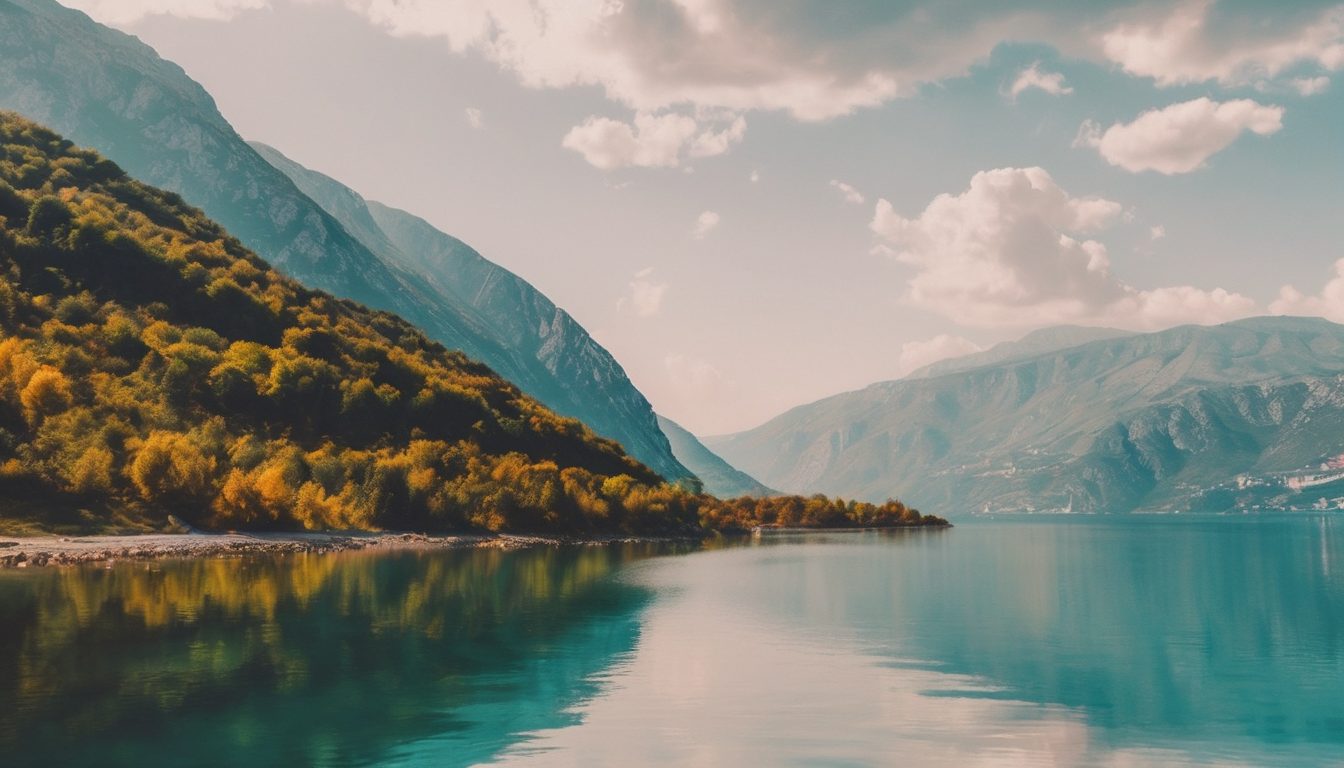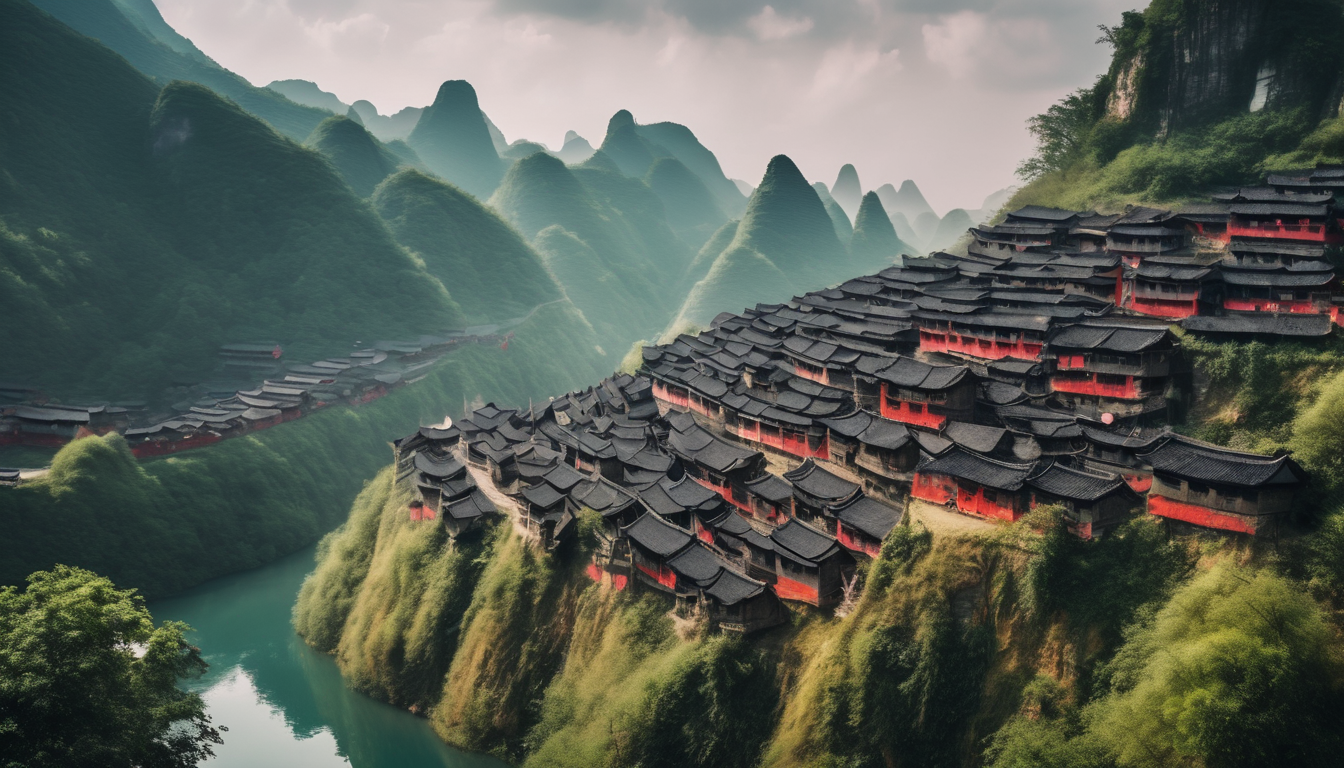
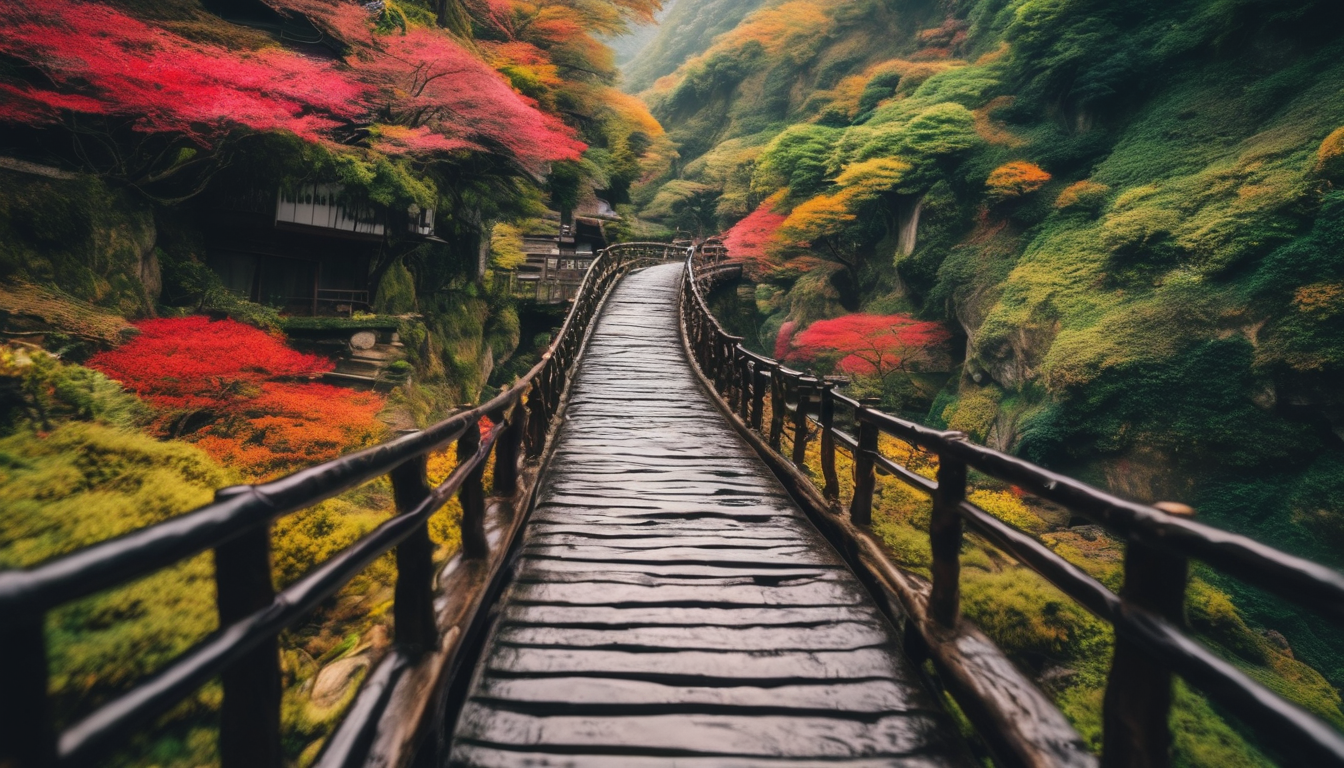
Nestled in the rugged mountains of Shikoku, Japan’s Iya Valley feels like a world frozen in time. From ancient vine bridges swaying above misty gorges to serene onsens tucked deep in the wilderness, this is a destination for those seeking untouched beauty and tranquility.
If you’re looking to escape the nonstop pace of modern life, Iya Valley in Japan’s Shikoku region might just be the peaceful getaway you didn’t even realize you needed. This tucked-away haven, with its towering mountains, winding rivers, and centuries-old traditions, is perfect for travelers eager to soak up both Japan’s stunning natural beauty and rich cultural heritage.
**Why Iya Valley Should Be on Your Radar**
Despite its incredible charm, Iya Valley remains a bit of a well-kept secret. While most people think of Japan’s bright city lights or famous spots like Mount Fuji and Kyoto’s golden temples, Iya offers something different—a quiet, soulful experience. It’s one of those rare places where you can truly unplug and reconnect with nature.
The valley is famous for its vine bridges, originally built by samurai seeking refuge in the mountains. Combined with rustic hot springs and quaint villages, these features make Iya Valley a must-see destination for anyone visiting Japan in 2026 who wants to venture off the beaten track.
**Getting There**
Getting to Iya Valley is part of the adventure. The nearest major city is Takamatsu, about a 90-minute trip by train and bus. From there, you’ll navigate narrow mountain roads with breathtaking views at every turn. If you’re driving, prepare yourself for some hairpin curves and arguably some of the most scenic drives you’ll ever experience.
Pro tip: Plan to spend at least two or three days here. The journey takes time, and you’ll want to fully soak in the valley’s calm vibe without feeling rushed.
**What to See and Do**
- **Cross the Iconic Vine Bridges**
Iya Valley is home to three famous vine bridges, with Kazurabashi being the most popular. Stretching 45 meters across the emerald-green Iya River, it’s woven from vines but reinforced with steel cables for safety. Walking across is both thrilling and a little heart-pounding, especially with the gaps between the planks revealing the gorge below.
For a quieter experience, head to the Oku-Iya Double Vine Bridges—twin bridges set deeper in the valley, surrounded by untouched nature, with one bridge traditionally for men and the other for women.
- **Relax in a Secluded Onsen**
One of the highlights of visiting Iya is soaking in its hidden hot springs. Iya Onsen is well-known, featuring an open-air bath perched dramatically on a cliff’s edge. You’ll take a cable car down to the springs, where you can unwind in mineral-rich waters while taking in sweeping valley views.
For a wilder, more rustic vibe, try the open-air hot springs along the riverbanks—often completely private and feeling like your own natural spa.
- **Explore Charming Villages**
The valley is dotted with tiny villages where life moves at a gentle pace. Ochiai Village is especially picturesque, with traditional thatched-roof farmhouses clinging to the mountainside. Many of these historic homes have been turned into cozy guesthouses, so staying overnight is a real treat.
Don’t miss Nagoro, known as the Scarecrow Village. Once a bustling community, it now has more scarecrows than people. Local artist Tsukimi Ayano created life-sized scarecrows to honor former residents, creating a quirky, somewhat haunting atmosphere you won’t forget.
**Where to Eat Local Delicacies**
- **Try Iya Soba**
The buckwheat noodles here are a must. Made from locally grown buckwheat, Iya soba has a distinctive earthy flavor and a pleasantly chewy texture. You’ll find it served hot or cold, often simply topped with green onions and grated radish.
- **Taste Grilled Iya Ayu**
Ayu, or sweetfish, is another local favorite. Grilled over an open flame until crispy on the outside and tender inside, it’s a straightforward yet delicious dish that perfectly captures the taste of summer.
- **Sample Konnyaku Dishes**
Konnyaku, a jelly-like food made from the konjac plant, is a staple in Iya. It’s often grilled on skewers or served as part of traditional meals. The texture might surprise you, but it’s definitely worth trying to get the full local experience.
**Best Time to Visit**
Every season offers something special in Iya Valley. Spring brings cherry blossoms and fresh greenery, while summer showcases lush landscapes and mild weather. Autumn is arguably the showstopper, with forests bursting into fiery reds, oranges, and yellows. Winter is quieter but has its own charm, with snow-dusted peaks and cozy onsen moments.
**Tips for First-Time Visitors**
- **Pack for Changing Weather**
The weather here can be unpredictable, so layers and waterproof gear are key, especially in spring or autumn.
- **Rent a Car if You Can**
Public transport options are limited, so having your own car lets you explore on your own terms. Just be ready for narrow, winding roads.
- **Learn a Few Japanese Phrases**
English isn’t widely spoken here, so knowing simple phrases like “arigato” (thank you) and “sumimasen” (excuse me) will go a long way.
**Why Iya Valley Is Worth the Journey**
In a world that often feels too fast and crowded, Iya Valley is a rare place where time seems to slow down. Whether you’re crossing one of its vine bridges, soaking in a hot spring, or sharing a quiet moment in a tiny village, the valley invites you to pause, breathe, and appreciate life’s simple joys.
If Japan is on your travel list for 2026, don’t miss this hidden gem. Iya Valley may be off the beaten path, but it’s a journey you won’t forget.