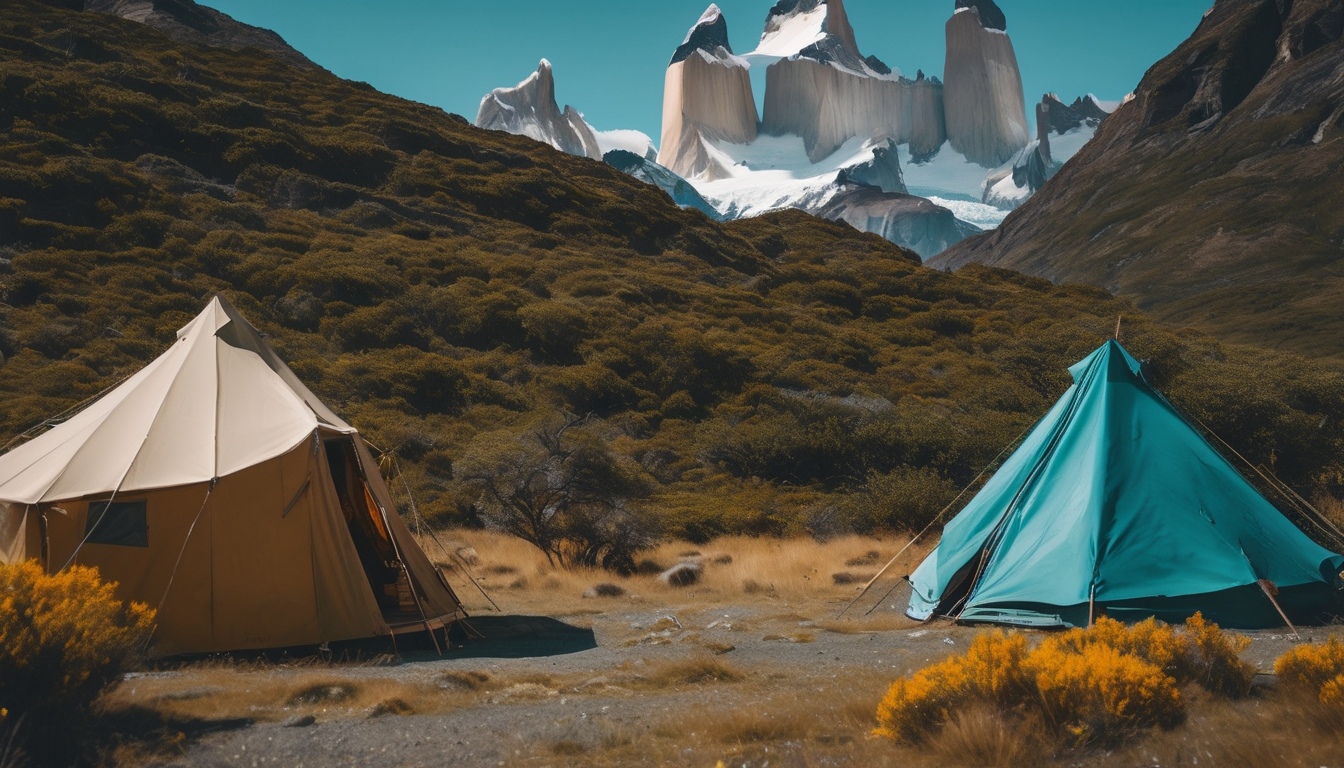
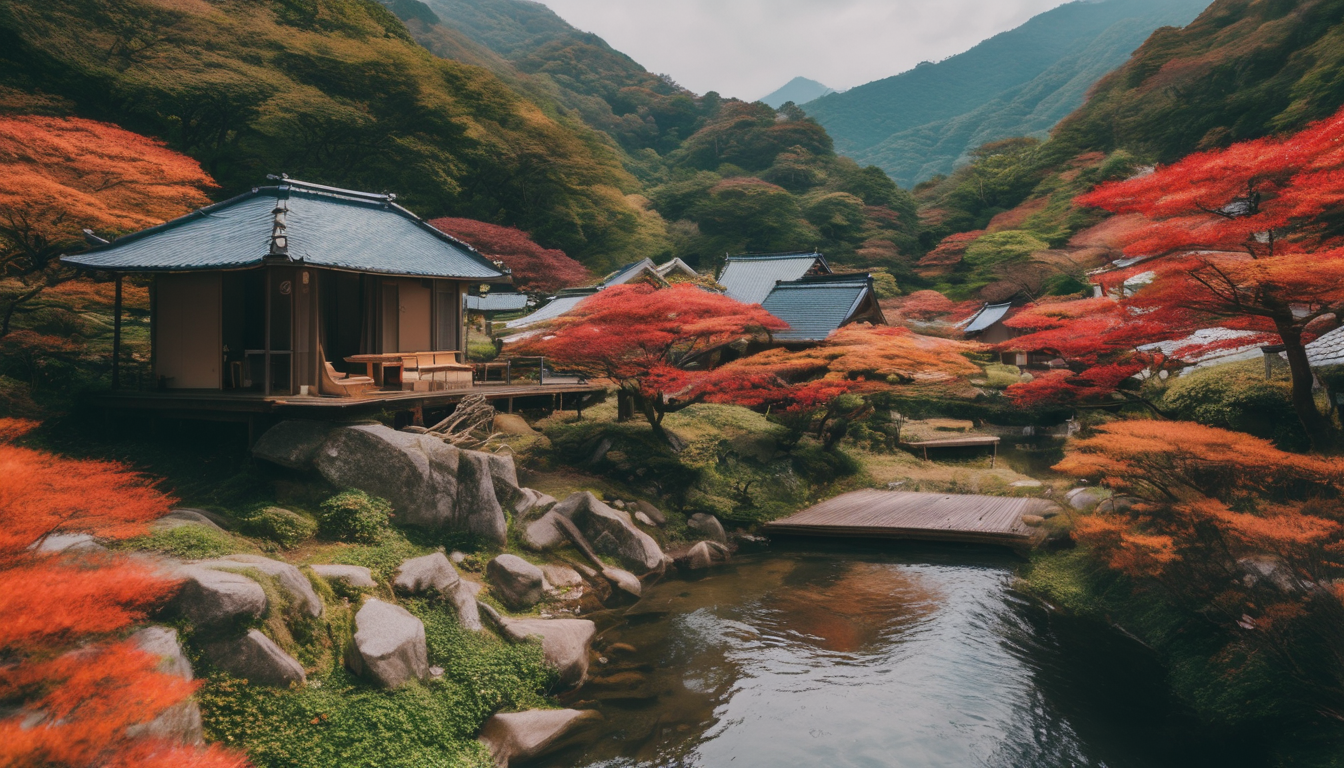
Escape the bustling cities and discover the tranquil beauty of Shikoku, Japan’s hidden gem for nature lovers. This guide will show you how to enjoy eco-friendly glamping amidst lush forests, serene rivers, and magical mountain landscapes.
When you think of Japan, chances are images of neon-lit streets, crowded train stations, and towering skyscrapers come to mind—and you’re definitely not alone. But there’s a quieter, greener side to Japan that often flies under the radar: its stunning natural beauty. Take Shikoku, for example. As the smallest of Japan’s four main islands, it offers a peaceful escape where nature takes center stage. And in 2026, there’s no better way to experience this tranquil paradise than by jumping on the rising trend of eco-friendly glamping.
### Why Nature Lovers Can’t Miss Shikoku
Shikoku is the kind of place where life slows down and the outside world fades away. With its rugged coastlines, lush forests, and crystal-clear rivers, it’s a dream spot for anyone craving calm and a closer connection to nature. Plus, Shikoku is famous for the 88-temple pilgrimage route, adding a spiritual layer to its already rich landscape.
What makes Shikoku truly special is its perfect balance. Cities like Takamatsu and Matsuyama offer all the modern comforts you might need, but it’s the countryside where the island’s beauty really shines. Think emerald-green valleys like Iya, or the vibrant turquoise waters of the Shimanto River—these scenes almost look too good to be real. And with eco-tourism on the rise, exploring Shikoku’s wonders responsibly has never been easier.
### So, What’s Eco-Friendly Glamping Anyway?
Glamping—short for glamorous camping—is basically the best of both worlds. You get to immerse yourself in nature without giving up cozy, boutique-style comforts. Now, eco-friendly glamping adds another layer by focusing on sustainability and minimizing environmental impact.
In Shikoku, that means staying in spots designed to blend seamlessly with their surroundings, powered by renewable energy sources, and supporting local communities. Picture solar-powered tents, meals made from locally grown ingredients, and spaces that feel like an extension of the landscape—not a disruption.
### Top Eco-Glamping Spots to Check Out in Shikoku
Here are a few standout places to consider for your eco-friendly adventure:
- **Iya Valley Glamping Resort:** Tucked away in the misty mountains of Iya Valley, this resort offers luxury tents with jaw-dropping panoramic views. You can start your day with guided forest walks and end it savoring dishes made from fresh, local produce.
- **Shimanto River Eco-Lodge:** Perfect for water lovers, this spot sits right by the pristine Shimanto River. Kayaking, swimming, or just relaxing by the riverbank are all on the menu. The lodge runs on solar power and serves traditional meals crafted by nearby farmers.
- **Setouchi Glamping Base:** Overlooking the calm Seto Inland Sea, this place gives you the best of both ocean and forest scenery. The design is minimalist and stylish, with a focus on seafood delicacies straight from local fishermen.
- **Oboke Gorge Eco-Camp:** For those after a bit of adrenaline, Oboke Gorge offers stunning views along with exciting rafting adventures. The tents here are designed for comfort year-round—cool in summer, warm in winter.
### Planning Your Shikoku Getaway
Heading to a hidden gem like Shikoku takes a bit of planning, but trust me, it’s worth it. Here’s how to get the most out of your trip:
- **When to Visit:** Spring (March to May) and autumn (September to November) are the sweet spots. Cherry blossoms paint the landscape in spring, while fall brings a riot of colorful leaves.
- **Getting There:** You can reach Shikoku by train, ferry, or car from Japan’s main islands. For the adventurous, the Shimanami Kaido cycling route—which links Honshu to Shikoku—is a bucket-list-worthy experience.
- **Getting Around:** Renting a car is your best bet, especially since public transport in rural areas can be sparse. Alternatively, electric bikes offer a green and fun way to explore shorter distances.
- **What to Pack:** Lightweight, breathable clothes are a must in summer, while layering up works best in cooler months. Don’t forget eco-friendly toiletries and a reusable water bottle to keep waste down.
### Why Eco-Friendly Travel Matters More Than Ever
As tourism bounces back post-pandemic, the push for sustainable travel has never been stronger. Shikoku’s eco-glamping scene is a shining example of how tourism can honor and protect nature instead of taking from it. By choosing these eco-conscious accommodations, you’re directly supporting local communities and helping preserve the environment for generations to come.
And beyond all that, there’s something truly special about traveling in a way that feels right—imagine drifting off to sleep to the gentle sound of a flowing river, knowing you’ve left nothing but footprints behind.
### Final Thoughts
Shikoku might not be the first place you think of when picturing Japan—and that’s exactly why it’s so captivating. It feels like a well-kept secret, a place where nature takes the spotlight and life slows down just enough for you to savor every moment.
So, if you’re ready to swap the city’s noise for the soft whisper of the wind through the trees, pack your bags and head to Shikoku. Eco-friendly glamping here isn’t just a trip; it’s a chance to reconnect—with the earth, with yourself, and with a side of Japan you won’t soon forget.